Are pests causing problems around your home or property? Homeowners throughout Rhode Island and Bristol County, Massachusetts deal with a variety of seasonal pest problems, including mosquitoes, ticks, ants, spiders, rodents, and other crawling insects.
The right solution depends on the pest, the property, and the conditions allowing the problem to continue. Pro Mosquito Solutions provides local pest control services designed around the specific needs of homes and properties in our service area.
Understanding your pest control needs is the first step toward choosing an effective treatment and prevention strategy.
Understanding Common Pests in Rhode Island and Bristol County, Massachusetts

Pest activity changes throughout the year in Rhode Island and Bristol County, Massachusetts. Mosquitoes and ticks become particularly active during the warmer months, while rodents may become more noticeable as temperatures fall and they look for food, shelter, and warmth.
Recognizing the signs of pest activity early can make a problem easier to manage and help prevent a small issue from becoming a larger infestation.
Identifying Local Pest Problems
Different pests leave different signs behind.
Rodents may leave droppings, gnaw marks, nesting materials, or scratching noises inside walls, garages, basements, and other sheltered areas. Ant activity may appear around kitchens, foundations, patios, walkways, or areas where moisture and food are available.
Mosquitoes and ticks are often associated with outdoor conditions such as vegetation, shaded areas, standing water, leaf litter, and other favorable habitat.
Identifying the pest and understanding where it is coming from allows for a more targeted pest management solution.
How Seasonal Changes Affect Pest Activity
Seasonal changes have a major effect on pest activity in Rhode Island and Massachusetts.
Mosquito populations generally increase during warm, humid weather, particularly when standing water provides breeding opportunities. Ticks can remain active for extended portions of the year whenever conditions are favorable.
Ants and other crawling insects may become more noticeable around homes during warmer weather, while mice and rats often seek protected areas when temperatures begin to drop.
A seasonal pest control strategy can address these changing conditions throughout the year.
Common Signs of a Pest Problem
Some pest problems are obvious, while others develop unnoticed.
Watch for rodent droppings, gnaw marks, scratching noises, ant trails, spider webs, increased insect activity, nesting materials, or pests repeatedly appearing in the same areas.
If activity continues despite basic preventive measures, a professional inspection can help determine where pests are entering or what conditions are supporting the problem.
Effective Pest Control Strategies

Effective pest control involves more than simply treating the pest you can see. A good strategy considers the pest itself, where it is living or traveling, possible entry points, food and water sources, and environmental conditions around the property.
This approach can improve results while reducing unnecessary treatments.
Match the Treatment to the Pest
There is no single treatment that works for every pest.
Mosquito control may focus heavily on outdoor resting and breeding areas. Rodent control can involve monitoring, trapping or baiting where appropriate, and identifying entry points and attractants.
Ant and crawling-insect treatments may focus on foundations, exterior entry areas, nesting locations, and other places where insects travel.
Correct identification allows the treatment to target the actual problem rather than applying products unnecessarily.
Integrated Pest Management
Integrated Pest Management combines multiple pest-control techniques rather than relying exclusively on pesticide applications.
Depending on the pest, this can include monitoring activity, reducing food and water sources, modifying habitat, sealing potential entry points, using traps or bait stations, and applying targeted treatments where appropriate.
The goal is to address current activity while also correcting conditions that can contribute to future pest problems.
Eco-Friendly Pest Control Options
Homeowners who want to reduce conventional pesticide use may also consider eco-friendly pest control options.
Pro Mosquito Solutions offers treatment options for customers looking for a more environmentally conscious approach.
Regardless of the treatment selected, targeting the correct areas and addressing the conditions supporting pest activity are important parts of an effective pest-control program.
Professional Pest Control Near You

Choosing a local pest control company means working with someone familiar with the seasonal pest pressures found throughout Rhode Island and Bristol County, Massachusetts.
Local knowledge is particularly useful for mosquitoes, ticks, ants, spiders, and rodents because pest activity can change significantly with weather, vegetation, property conditions, and the time of year.
Benefits of Hiring Local Pest Control Experts
A professional pest control service can help identify the pest, locate areas of activity, and determine an appropriate treatment strategy.
Professional equipment and properly selected products can also allow treatments to be applied more precisely than many general-purpose DIY approaches.
For recurring problems, professional monitoring can help determine whether activity is decreasing and whether adjustments are needed.
Evaluating Pest Control Services in Your Area
When comparing pest control companies, ask what pests they treat and what is actually included with the service.
A company should be able to explain the treatment process, expected follow-up, preparation requirements, and any steps the homeowner can take to improve results.
It is also worth asking about eco-friendly pest control options if minimizing conventional pesticide use is important to your household.
Questions to Ask Your Pest Control Provider
Before scheduling service, consider asking what pest the treatment is designed to control, which areas of the property will be treated, whether follow-up visits are necessary, and what preparation is required before service.
You should also ask how long people and pets should remain away from treated areas and what preventive steps can help reduce future activity.
A reputable pest control provider should be able to clearly explain what will be done and why.
DIY Pest Control and Prevention
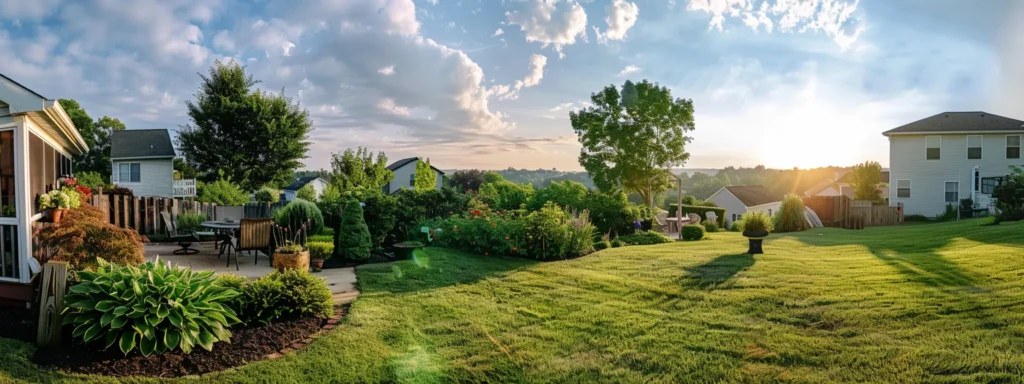
Homeowners in Rhode Island and Bristol County, Massachusetts can take several practical steps to make their properties less attractive to common pests.
DIY prevention is especially useful when it focuses on sanitation, moisture control, eliminating standing water, reducing clutter, maintaining landscaping, and closing potential pest entry points.
Keep Food and Waste Controlled
Food sources can attract ants, rodents, and other pests.
Store food in closed containers, clean spills and crumbs promptly, keep trash containers covered, and avoid leaving pet food accessible for extended periods.
Outdoor garbage and recycling containers should also be kept closed whenever possible.
Reduce Water and Moisture
Moisture attracts many pests and can also create mosquito breeding areas.
Empty containers that collect rainwater, keep gutters functioning properly, correct unnecessary water accumulation, and address leaks around the home.
Even relatively small amounts of standing water can contribute to mosquito activity.
Maintain the Exterior of Your Property
Keep vegetation maintained around the house and remove unnecessary debris or clutter that can provide shelter for pests.
Inspect doors, utility penetrations, vents, foundation openings, and other potential entry points.
Reducing pest habitat around the structure can complement professional treatments and make the property less attractive to insects and rodents.
Importance of Regular Pest Inspections

Regular pest inspections can help identify problems before they develop into larger infestations. They can also reveal entry points, food and water sources, and property conditions that may be contributing to pest activity.
For recurring problems, identifying the source of the activity can be just as important as treating the pests themselves.
What to Look for Around Your Property
Check garages, basements, foundations, utility penetrations, kitchens, storage areas, sheds, and other locations where pests may find food or shelter.
Outside, inspect vegetation, standing-water sources, trash areas, foundation gaps, and places where rodents or insects may travel.
Signs such as droppings, gnaw marks, nesting materials, ant trails, spider webs, or repeated pest activity can indicate that further inspection or treatment is needed.
What a Professional Pest Inspection Can Identify
A professional inspection can help identify pest activity, potential entry points, moisture problems, nesting areas, and environmental conditions that may be contributing to the problem.
Once the source and type of pest activity are understood, an appropriate treatment and prevention strategy can be developed for the property.
Following Up After Pest Control Service
Pest control is sometimes a process rather than a single application.
Monitoring activity after treatment helps determine whether the pest population is declining and whether additional measures are necessary.
Homeowners should also complete recommended sanitation, exclusion, or property-maintenance steps when those conditions are contributing to pest activity.
Cost Considerations for Pest Control Services

The cost of pest control depends on the pest, property size, severity of the problem, treatment method, and whether the service requires one visit or continued monitoring.
The lowest-priced treatment is not necessarily the best value if it does not address the source of the problem. Understanding what is included in the service makes it easier to compare your options.
One-Time Treatments vs. Ongoing Pest Control
Some pest problems can be handled with a one-time treatment, while others benefit from continued service.
Recurring mosquito and tick activity, for example, is typically managed through scheduled treatments during the active season. Certain crawling-insect problems may benefit from periodic exterior protection.
Rodent problems can require continued monitoring depending on the property and surrounding conditions.
The appropriate schedule should be based on the pest and level of activity rather than using the same approach for every situation.
What Influences Pest Control Pricing?
Several factors can affect the cost of pest control, including:
- Type of pest
- Size of the property
- Severity and location of the activity
- Treatment method
- Number of treatments required
- Need for ongoing monitoring
- Accessibility of treatment areas
When comparing services, consider exactly what is included rather than looking only at the initial price.
Local Pest Control in Rhode Island and Bristol County, Massachusetts
Effective pest control starts with correctly identifying the problem and choosing a treatment designed for that specific pest.
For homeowners throughout Rhode Island and Bristol County, Massachusetts, Pro Mosquito Solutions provides local pest control services for mosquitoes, ticks, rodents, ants, spiders, and other crawling insects.
Whether you’re dealing with seasonal mosquito and tick activity, rodents around your property, or insects entering your home, combining professional treatment with practical prevention measures can provide better long-term control.
Learn more about our pest control services or call (401) 216-8081 to discuss the pest problem you’re experiencing.

Ryan Lambert is the owner of Pro Mosquito Solutions, a trusted pest control company serving Rhode Island and Southeastern Massachusetts. Known for their eco-friendly, effective pest solutions, Ryan and his team handle mosquitoes, ticks, ants, rodents, and more with customized services that keep properties pest-free. Pro Mosquito Solutions is dedicated to customer satisfaction, using top-quality products and innovative techniques to ensure safe, long-lasting results. Ryan also writes informative blogs, empowering customers with knowledge about pest control and prevention.