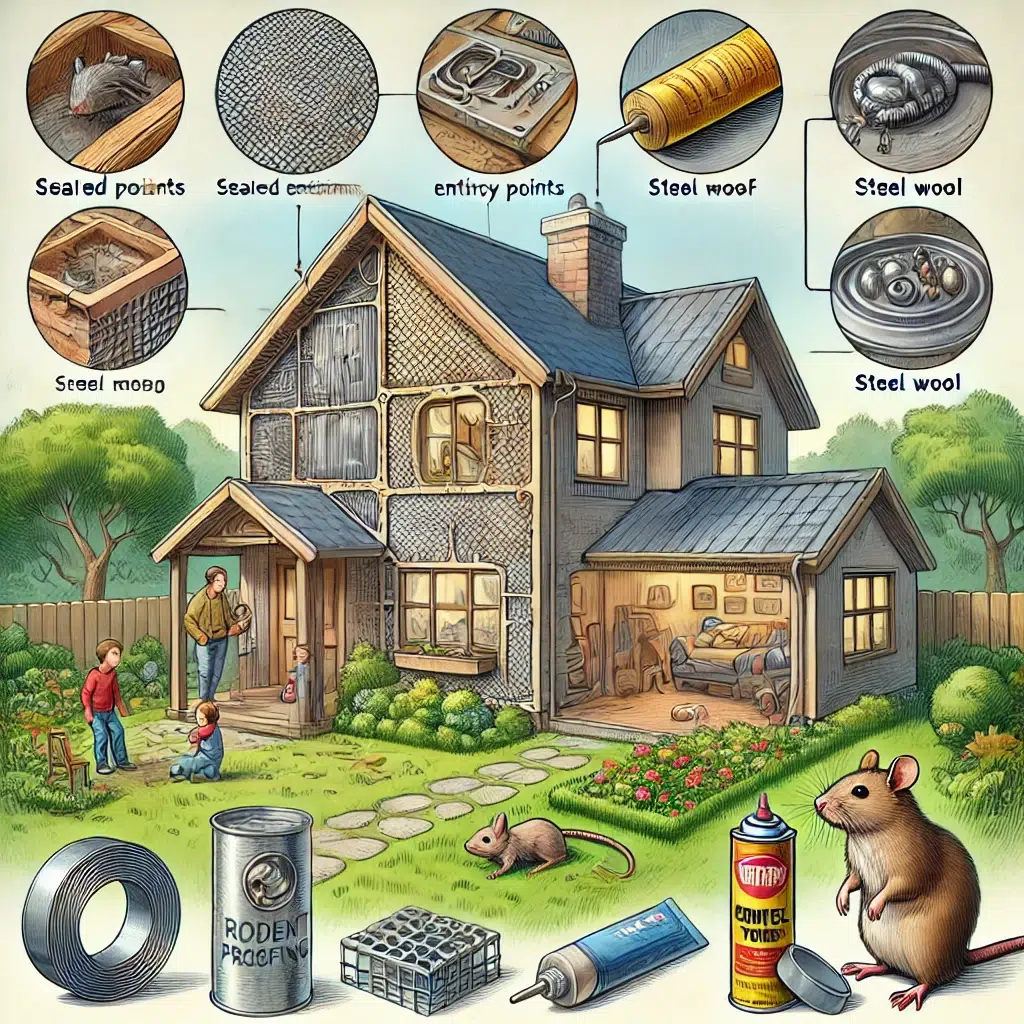

Rodent problems can become a serious concern for homeowners and businesses when mice or rats gain access to buildings, garages, basements, storage areas, or other protected spaces. An effective rodent control plan should address both the current activity and the conditions that may be allowing rodents to remain around the property.
At Pro Mosquito Solutions, we provide professional rodent control services throughout Rhode Island and Southeastern Massachusetts. Effective rodent management may include identifying signs of activity, monitoring, trapping or baiting when appropriate, locating potential entry points, and reducing access to food, water, and shelter.
This guide explains how to recognize rodent activity, reduce conditions that attract mice and rats, improve prevention around your property, and determine when professional rodent control may be appropriate.
How to Implement an Effective Rodent Control Plan
Successful rodent control starts with understanding where mice or rats are active and why they are using the property. Simply removing an individual rodent may not solve a recurring problem if food sources, shelter, or potential entry points remain available.
A more complete approach combines inspection, monitoring, treatment, sanitation, prevention, and continued evaluation. The exact strategy depends on the type and level of rodent activity as well as the conditions around the property.
Identify Signs of Mice and Rats
Finding rodent activity early can make the problem easier to address. Mice and rats are often active when people are not around, so homeowners may notice evidence of rodents before actually seeing one.
Common signs include droppings, gnaw marks, scratching or scurrying noises, nesting material, tracks, rub marks, damaged food packaging, and repeated sightings. These signs can also help determine where rodents are traveling and which areas should receive additional attention.
Recognize Rodent Droppings
Droppings are one of the most common indicators of mouse or rat activity. They may be found along walls, inside cabinets, near stored food, in garages, basements, attics, utility areas, or other locations rodents frequently travel.
The size and appearance of droppings can vary depending on the rodent. Avoid handling rodent droppings with bare hands, and use appropriate precautions when cleaning contaminated areas.
If droppings continue appearing after cleanup, this may indicate ongoing activity that requires additional monitoring or professional rodent control.
Look for Gnaw Marks and Property Damage
Mice and rats regularly gnaw on materials around a property. Signs may appear on wood, plastic, cardboard, stored products, food packaging, insulation, or wiring.
Fresh gnaw marks or repeated damage can indicate active rodents. Pay particular attention to areas where food is stored, along walls, inside garages and basements, and around utility penetrations or other potential entry points.
Listen for Scratching and Scurrying Noises
Scratching, movement, or gnawing sounds inside walls, ceilings, garages, basements, or attics can indicate rodent activity. These sounds may be more noticeable at night when the home is quiet and mice and rats are more active.
Make note of where and when the noises occur. This information can help identify likely travel routes or areas that should be inspected more closely.
Look for Nesting Material and Hidden Activity
Rodents often seek protected areas where they can remain undisturbed. Garages, basements, storage rooms, attics, sheds, and spaces behind stored materials may provide suitable shelter.
Shredded paper, fabric, insulation, cardboard, or other soft material may indicate nesting activity. Cluttered areas should be inspected carefully because they can provide rodents with numerous hiding places.
Check for Tracks and Travel Routes
Footprints, tail marks, rub marks, and other signs can help identify where rodents are moving. Dusty areas in garages, basements, attics, and storage spaces may make these signs easier to see.
Rodents frequently travel along walls and protected edges rather than crossing open spaces. Identifying these routes can help determine appropriate locations for monitoring and control devices.
Reduce Conditions That Attract Rodents
Rodent control is more effective when the property provides fewer opportunities for mice and rats to find food, water, and shelter. Sanitation and property maintenance should therefore be part of any long-term rodent management strategy.
Store Food and Other Attractants Properly
Food should be stored in secure containers whenever possible. This includes pantry products as well as pet food, bird seed, grass seed, livestock feed, and other edible stored materials.
Clean up spills and crumbs promptly, avoid leaving pet food available unnecessarily, and regularly inspect storage areas for damaged packaging or signs of rodent activity.
Keep Garbage Secure
Garbage can provide a consistent food source for rodents. Interior and exterior trash should be stored in containers with secure lids, and areas around garbage containers should be kept as clean as possible.
Outdoor garbage should not be allowed to accumulate around the home, garage, shed, or other structures.
Reduce Clutter and Hiding Places
Clutter provides mice and rats with protected places to hide and makes rodent activity more difficult to detect. Keep garages, basements, sheds, storage rooms, and similar spaces organized.
Where practical, use durable storage containers and avoid leaving cardboard, paper, fabric, or other nesting materials piled in undisturbed areas.
Maintain Landscaping Around the Property
Vegetation and debris around structures can provide rodents with shelter and protected travel routes. Keep grass maintained, trim excessive vegetation near buildings, remove unnecessary debris, and avoid allowing dense growth to remain directly against the foundation.
Outdoor food sources should also be considered. Bird seed, unsecured garbage, fallen food, pet food, and similar materials may contribute to rodent activity around a property.
Seal Potential Rodent Entry Points
Preventing mice and rats from entering a structure is an important part of long-term rodent management. Inspect the exterior of the building for openings around doors, garage doors, foundations, siding, utility lines, pipes, vents, and other penetrations.
Mice can enter through surprisingly small openings, so even minor gaps deserve attention. Damaged materials and larger openings should be properly repaired using materials appropriate for the location.
When rodents are already active inside a structure, exclusion should be coordinated with the control strategy so rodents are not unintentionally trapped in inaccessible areas.
Inspect Garages and Utility Openings
Garages are common locations for rodent activity because they may provide shelter, stored food products, clutter, and multiple potential entry points.
Inspect garage-door edges, corners, weather stripping, utility penetrations, and areas where the garage connects to the home. Pay particular attention to gaps where pipes, cables, or other utilities enter the structure.
Inspect Foundations, Doors, and Vents
Check the foundation for cracks and openings and inspect exterior doors for damaged weather stripping or gaps. Vents and other necessary openings should remain functional while being appropriately protected against rodent entry.
Regular exterior inspections can help identify new vulnerabilities before rodents begin using them.
Use Trapping and Monitoring as Part of Rodent Control
Trapping and monitoring can be effective components of a rodent control program when devices are selected and placed appropriately. The best approach depends on whether mice or rats are present, where activity is occurring, and whether children, pets, or other animals may have access to the area.
Place Traps Along Rodent Travel Routes
Rodents often travel close to walls, corners, and protected edges. Traps placed along identified travel routes or near signs of activity may be more effective than traps placed randomly throughout a room.
Areas with droppings, gnaw marks, tracks, or repeated sightings deserve particular attention.
Monitor Traps Regularly
Rodent-control devices should be checked regularly. Monitoring helps determine whether activity is increasing or decreasing and whether the current placement and control strategy are working.
If activity continues despite trapping, additional inspection may be needed to locate food sources, shelter, entry points, or travel routes that have not yet been addressed.
Keep Rodent-Control Devices Away From Children and Pets
Any rodent-control device should be placed and used according to its instructions and in a manner that protects children, pets, and non-target animals. Professional assistance may be appropriate when safe placement is difficult or rodent activity is extensive.
Use Rodenticides Carefully and According to the Label
Rodenticides can be part of some rodent management programs, but they must be used carefully. Always follow the product label and applicable requirements regarding placement, handling, storage, and disposal.
Rodenticide products should be secured as required to reduce the risk of exposure to children, pets, wildlife, and other non-target animals. Never place rodenticide where it can be easily accessed by people or animals for which the product is not intended.
Because rodenticide selection and placement can vary depending on the property and rodent activity, homeowners who are unsure about proper use should consider contacting a licensed pest control professional.
Monitor Rodent Bait Stations
When bait stations are part of a rodent management program, they should be inspected regularly to evaluate rodent activity and ensure the stations remain properly positioned and maintained.
Monitoring bait consumption over time can provide useful information about changes in rodent pressure around the property.
Know When to Contact a Professional Rodent Exterminator
A single mouse sighting does not always indicate a large infestation, but repeated sightings, fresh droppings, continued gnawing, nighttime noises, or recurring activity may indicate a more established problem.
Professional mouse and rat control can be especially helpful when the source of the activity is difficult to locate, rodents continue returning after DIY efforts, or multiple areas of the property are affected.
Choose a Licensed and Insured Pest Control Company
When hiring a rodent control company, look for a properly licensed and insured provider that clearly explains the treatment strategy, what is included with the service, and what steps the property owner may need to take.
Local experience is also valuable. Rodent pressure can vary depending on property type, surrounding conditions, food availability, weather, and seasonal changes.
Ask What the Rodent Control Service Includes
Rodent control programs can differ significantly between companies. Ask whether the service includes inspection, trapping or baiting, monitoring, recommendations for potential entry points, follow-up visits, and continued service when necessary.
Understanding exactly what is included makes it easier to compare rodent-control options based on the actual service rather than price alone.
Review Customer Feedback
Customer reviews can provide useful information about a pest control company’s communication, reliability, professionalism, and customer service. Look for reviews from customers who experienced rodent problems similar to yours.
Maintain Rodent Control for Long-Term Results
Rodent management should continue after immediate activity decreases. Properties that have experienced recurring mouse or rat problems may benefit from continued monitoring and preventative maintenance.
Continue Monitoring for New Activity
Periodically inspect high-risk areas for fresh droppings, gnaw marks, nesting material, tracks, or other signs. Garages, basements, storage areas, sheds, and utility spaces are good locations to monitor.
Finding new signs early can make it easier to respond before activity becomes more established.
Recheck Potential Entry Points
Buildings change over time. Weather, repairs, utility work, deterioration, and normal movement can create new openings. Periodically inspect the exterior and repair new vulnerabilities as they appear.
Track Recurring Rodent Activity
For persistent problems, keeping simple records of sightings and other evidence can be useful. Note where activity occurs, approximately when it was observed, and whether activity appears to be increasing or decreasing.
This information can help identify patterns and determine whether the rodent-control strategy needs to be adjusted.
Professional Rodent Control in Rhode Island and Southeastern Massachusetts
Pro Mosquito Solutions provides professional rodent control for mice and rats throughout Rhode Island and Southeastern Massachusetts. Our approach focuses on evaluating rodent activity, implementing an appropriate control and monitoring strategy, and identifying conditions that may be contributing to the problem.
For additional information, read our guide to rodent control in Rhode Island or learn more about our effective rodent control strategies for mice and rats.
If you’re experiencing recurring mice or rat activity at your home or business, call (401) 216-8081 to discuss your rodent-control needs.
Frequently Asked Questions About Rodent Control
What are the most common signs of a rodent problem?
Common signs include droppings, gnaw marks, scratching or scurrying noises, damaged food packaging, nesting material, tracks, and repeated mouse or rat sightings. Finding several of these signs in the same area may indicate ongoing activity.
How can I help prevent mice and rats from entering my home?
Inspect the exterior for potential entry points, properly repair accessible openings, store food and pet food securely, keep garbage covered, reduce clutter, and maintain vegetation around the structure. These steps reduce the food, shelter, and access that can contribute to rodent problems.
Where should rodent activity be monitored?
Pay particular attention to garages, basements, attics, storage areas, sheds, utility spaces, kitchens, and locations where food or garbage is stored. Look along walls and protected edges where rodents commonly travel.
Are rodenticides safe around children and pets?
Rodenticides can present risks if they are not used and secured properly. Always follow the product label and keep rodent-control products inaccessible to children, pets, and non-target animals. When there is uncertainty about safe use or placement, professional rodent control is the better option.
When should I call a professional for mice or rats?
Consider professional rodent control when activity continues to return, droppings or damage keep appearing, rodents are active in multiple areas, or your own control and prevention efforts are not resolving the problem. A professional can evaluate the property and recommend an appropriate treatment and monitoring strategy.
Take a Complete Approach to Rodent Control
Effective rodent control involves more than removing individual mice or rats. The best long-term approach combines monitoring, treatment, sanitation, property maintenance, entry-point reduction, and continued prevention.
Addressing both current rodent activity and the conditions that support it can help reduce recurring problems and provide better long-term protection for homes and businesses throughout Rhode Island and Southeastern Massachusetts.
Learn more about Pro Mosquito Solutions rodent control services or call (401) 216-8081 for assistance with mice or rats at your property.

Ryan Lambert is the owner of Pro Mosquito Solutions, a trusted pest control company serving Rhode Island and Southeastern Massachusetts. Known for their eco-friendly, effective pest solutions, Ryan and his team handle mosquitoes, ticks, ants, rodents, and more with customized services that keep properties pest-free. Pro Mosquito Solutions is dedicated to customer satisfaction, using top-quality products and innovative techniques to ensure safe, long-lasting results. Ryan also writes informative blogs, empowering customers with knowledge about pest control and prevention.