

Hearing scratching behind the walls at night? Finding dark droppings in your basement or discovering chewed food packaging in the pantry? These are warning signs that rats may have found their way into your home.
Rats are more than an unpleasant surprise. They can contaminate stored food, damage insulation, chew electrical wiring, and create sanitation concerns. Once they discover reliable food, water, and shelter, an infestation can become increasingly difficult to manage.
If you’re wondering how to get rid of rats safely and quickly, the best approach combines identifying the infestation, removing attractants, controlling existing rodents, and addressing the conditions that allowed them inside.
At Pro Mosquito Solutions, we provide professional rat and rodent control for homeowners throughout Rhode Island and Bristol County, Massachusetts. Our team develops treatment plans based on the property’s conditions and the signs of rodent activity.
Need help with rats in your home? Explore our professional rat control services or call or text (401) 216-8081 to discuss your rodent problem.
1. Identify the Signs of a Rat Infestation in Your Home
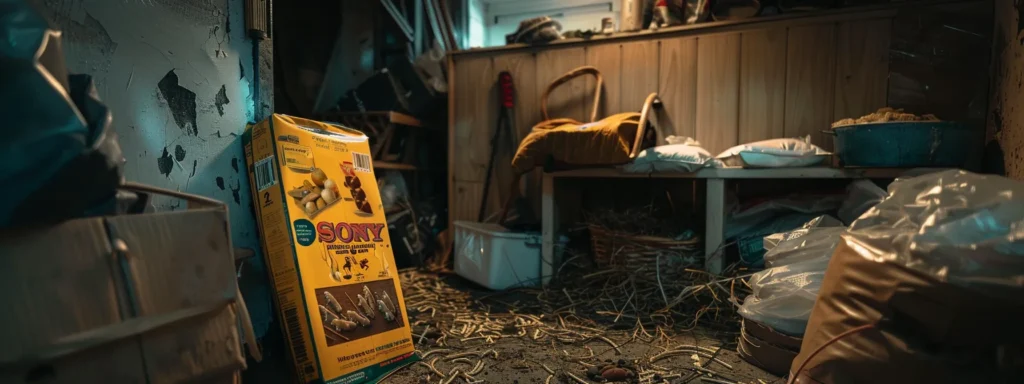
Recognizing rat activity early can help prevent further property damage and make treatment more manageable.
In Rhode Island, Norway rats are commonly associated with ground-level activity, burrows, basements, and areas near food sources. Other rodents may occupy attics, walls, or upper portions of buildings.
Rat Droppings and Urine Stains
Rat droppings are typically dark, elongated, and larger than mouse droppings. They may appear near food storage areas, beneath sinks, along basement walls, or around nesting sites.
Urine staining and persistent odors can also indicate rodent activity.
Important: Never sweep or vacuum dry rodent droppings or nesting material. These actions can release contaminated particles into the air. Follow appropriate rodent-cleanup guidance, including wetting contaminated material with a suitable disinfectant before removal.
Gnaw Marks and Damaged Food Packaging
Rats have continuously growing incisors and regularly gnaw on materials around their environment.
Look for:
- Chewed cardboard boxes and food packaging.
- Damage around wooden trim and storage areas.
- Gnaw marks near utility openings.
- Damaged insulation or accessible wiring.
If you discover damaged electrical wiring, avoid handling it and contact a qualified electrician.
Scratching and Movement at Night
Rats are often most active after dark. Scratching, scurrying, or gnawing sounds from walls, ceilings, and floors may indicate rodents traveling through concealed spaces.
Sounds alone cannot confirm the species, but repeated activity combined with droppings or gnaw marks deserves investigation.
Nesting Materials, Burrows, and Unusual Odors
Rats may use shredded paper, fabric, insulation, and other soft materials to build nests.
Norway rats may also dig burrows near foundations, sheds, retaining walls, or other sheltered outdoor locations.
Strong musty or ammonia-like odors can develop where rodent activity is concentrated, although an odor alone does not establish an infestation.
For more information, read our guide to the top signs of a rodent infestation in Rhode Island.
2. Remove Food and Water Sources That Attract Rats

Sanitation is one of the most important parts of successful rat control. Even a well-placed trap may be less effective when rats have easy access to other food sources.
Store Food in Rodent-Resistant Containers
Move vulnerable pantry foods, pet food, birdseed, and other attractants into durable containers with secure lids.
Thin cardboard, paper packaging, and lightweight plastic bags are not reliable barriers against determined rodents.
Check lower cabinets, pantries, garages, and basement storage areas for damaged packaging.
Clean Food Preparation and Dining Areas
Remove crumbs and spills promptly, clean beneath appliances, and avoid leaving pet food accessible overnight.
Pay particular attention to areas behind refrigerators, stoves, and cabinets where food debris can accumulate unnoticed.
Secure Trash and Outdoor Food Sources
Use trash containers with tightly fitting lids and clean up spilled waste around outdoor bins.
Additional attractants include:
- Unsecured birdseed and animal feed.
- Pet food left outside overnight.
- Fallen fruit and accessible food scraps.
- Open compost containing food waste.
- Outdoor cooking areas with leftover food residue.
Reduce Clutter and Outdoor Shelter
Rats prefer areas where they can move and hide with limited disturbance.
Keep stored materials organized, remove unnecessary debris, and reduce dense clutter near foundations and sheds.
Repair leaking faucets or plumbing and address persistent standing water where practical.
Learn more about the role of sanitation in effective rodent control.
3. Seal Rat Entry Points Around Your Home
Removing rats without addressing how they entered can leave your property vulnerable to another infestation.
Rats can squeeze through surprisingly small openings, and they may enlarge vulnerable gaps by gnawing.
Inspect Foundations, Walls, and Utility Penetrations
Walk around the exterior of your home and inspect areas where pipes, cables, vents, and other utilities pass through walls.
Pay attention to:
- Cracks and openings around foundations.
- Gaps around plumbing and utility lines.
- Damaged exterior siding and trim.
- Openings beneath doors.
- Accessible crawl space and basement vents.
- Roofline gaps and damaged exterior materials.
Use Durable, Rodent-Resistant Materials
Suitable exclusion materials may include properly installed metal flashing, hardware cloth, and other rodent-resistant barriers.
Sealants can be useful for certain small gaps, but soft materials alone may be vulnerable to gnawing.
Use materials appropriate for the opening, and do not block required ventilation or interfere with electrical and mechanical systems.
Install Door Sweeps and Protect Vulnerable Openings
Exterior doors should close securely without large gaps beneath them.
Damaged door sweeps, loose thresholds, and poorly fitted garage doors can provide access to rodents.
Use suitable rodent-resistant screening or guards where permitted, while preserving the function of vents and other building components.
Address Active Rodents Before Closing Every Opening
If rats are already inside, sealing every opening without a coordinated control plan can trap rodents within walls, attics, or other inaccessible spaces.
For an established infestation, exclusion should be coordinated with trapping, monitoring, and professional recommendations.
Our guide to common rodent entry points in Rhode Island homes explains where homeowners should focus their inspections.
4. Do Natural Rat Repellents Actually Work?

Homeowners frequently search for natural ways to keep rats away. Popular suggestions include peppermint oil, lavender, rosemary, vinegar, cayenne pepper, ultrasonic devices, and used cat litter.
Unfortunately, these methods should not be relied upon to eliminate an established rat infestation.
Peppermint Oil and Strong-Smelling Herbs
Some strong odors may temporarily affect rodent behavior, but there is insufficient reliable evidence that placing peppermint oil or growing fragrant herbs will consistently prevent rats from entering a home.
Essential oils can also create exposure concerns for pets, particularly cats, and should not be applied indiscriminately around animals.
Planting herbs for landscaping is fine, but it is not a substitute for sealing entry points or controlling active rodents.
Vinegar, Cayenne Pepper, and Used Cat Litter
Vinegar may be useful for certain routine cleaning tasks, but it is not a dependable rat control treatment.
Similarly, scattering cayenne pepper or used cat litter around suspected entry points does not provide reliable exclusion and may create additional sanitation or exposure problems.
Used cat litter should not be distributed around the home as a rodent deterrent.
Ultrasonic Rat Repellents
Ultrasonic devices are marketed as a convenient way to discourage rodents, but their performance is inconsistent. Rats may become accustomed to the sounds, and household furnishings and walls can limit sound coverage.
These devices should not replace proven methods such as sanitation, exclusion, trapping, and monitoring.
For additional guidance, read our article on common rodent control myths in Rhode Island.
5. Choose Appropriate Rat Traps and Use Them Safely

Trapping can be an effective part of rat control when the correct equipment is used in suitable locations.
However, trap selection and placement matter, particularly in homes with children and pets.
Snap Traps for Rat Control
Rat-sized snap traps are commonly used to capture and kill rats. Properly designed and correctly positioned traps can provide effective control.
Choose equipment intended for rats rather than smaller mouse traps.
Whenever possible, place traps inside suitable protective enclosures or inaccessible areas to reduce the risk of contact by children, pets, and non-target animals.
Why Live Trapping and Relocation Can Be Problematic
Live traps may appear to offer a simple alternative, but captured rats can bite, become stressed, or expose people to pathogens.
Relocating wild rodents can also be restricted by local regulations and may be ineffective or harmful to the animals.
Homeowners should not assume that transporting captured rats to a wooded area is an appropriate or lawful solution.
Ask a qualified pest control professional about suitable options for your circumstances.
Place Traps Where Rats Actually Travel
Rats often move along walls, behind objects, and through concealed pathways.
Signs such as droppings, rub marks, and repeated movement can help identify likely travel routes.
Trap placement should account for accessibility, sanitation, and the safety of people and animals in the home.
Use Appropriate Bait and Monitor Results
Small amounts of suitable food attractants, such as peanut butter or other foods, may be used with traps according to the equipment manufacturer’s instructions.
Excessive bait can allow rodents to feed without triggering a trap.
Inspect traps regularly, handle equipment carefully, and adjust the control strategy if activity continues.
Clean Up Captured Rodents Safely
Dead rodents and contaminated nesting materials should be handled using appropriate protective measures.
Follow current public health guidance for disinfecting contaminated areas, handling carcasses, and disposing of waste.
Avoid sweeping or vacuuming dry droppings, and do not handle rodents with bare hands.
For significant contamination, difficult-to-access spaces, or uncertainty about safe cleanup, professional assistance may be appropriate.
6. When Should You Call a Professional Rat Exterminator?

Some minor rodent problems can be addressed with prevention and carefully managed trapping. However, an established rat infestation often requires a more comprehensive approach.
Consider professional rat control if:
- You continue finding fresh droppings after attempting control.
- Rats are repeatedly seen inside or around the property.
- Scratching or movement continues within walls or ceilings.
- Burrows or multiple nesting areas are present.
- Traps are not reducing activity.
- You suspect damage to wiring, insulation, or other building materials.
- You are concerned about exposure involving children or pets.
What Professional Rat Control May Include
A professional rodent management program begins by understanding the infestation and property conditions.
Depending on the situation, a treatment plan may include:
- Inspection: Looking for rodent activity, likely travel routes, and contributing conditions.
- Control measures: Selecting appropriate traps, monitoring equipment, or other permitted methods.
- Prevention recommendations: Identifying sanitation issues and potential entry points.
- Follow-up: Monitoring results and adjusting the program when necessary.
Pro Mosquito Solutions provides professional rodent control services for mice and rats throughout Rhode Island and Bristol County, Massachusetts.
Why Follow-Up Matters
Rat activity may not stop immediately after the first service. Established infestations can involve multiple animals, concealed nesting areas, and ongoing entry from outside.
Monitoring helps determine whether activity is declining and whether additional control or prevention steps are needed.
For homeowners dealing with seasonal rodent pressure, our seasonal rodent control guide explains how changing weather can affect rodent behavior.
7. How to Prevent Rats From Returning
Long-term rat prevention requires more than removing the rodents currently inside your home.
Once an infestation is under control, maintain a routine that makes your property less attractive and less accessible.
- Inspect your home’s exterior: Look for new gaps, damaged vents, and deteriorating door seals.
- Maintain food storage: Keep pantry foods, animal feed, and trash secured.
- Reduce outdoor shelter: Remove unnecessary debris and manage clutter near buildings.
- Monitor for activity: Watch for new droppings, gnaw marks, or burrows.
- Address moisture: Repair plumbing leaks and other accessible water sources.
- Arrange follow-up when needed: Persistent activity may require additional inspection or treatment.
Our Rhode Island rodent-proofing tips provide additional ways to reduce the likelihood of future infestations.
Frequently Asked Questions About Getting Rid of Rats
What is the fastest way to get rid of rats in a house?
The most effective approach is to identify active areas, remove accessible food and water, use appropriate rat control methods, and address entry points. Professional assistance can be particularly helpful for established infestations or rats living inside walls and other concealed spaces.
How do I know if I have rats or mice?
Rat droppings are generally larger than mouse droppings, and rats may leave more substantial gnaw marks or burrows. However, signs can overlap. A professional inspection can help identify the rodent species and appropriate treatment.
Can rats leave a house on their own?
Rats may move between nesting and feeding locations, but they are unlikely to abandon a property permanently while reliable food, water, and shelter remain available. Active infestations generally require control and prevention measures.
Does peppermint oil keep rats away?
Peppermint oil is not a reliable solution for eliminating or preventing an established rat infestation. Strong odors may temporarily affect rodent behavior, but sanitation, exclusion, trapping, and monitoring are more dependable control strategies.
Are ultrasonic rat repellents effective?
Ultrasonic devices have inconsistent results and should not be relied upon as a primary rat control method. Rodents may become accustomed to the sounds, and obstacles can limit coverage.
What foods attract rats to homes?
Rats are attracted to accessible food sources such as pet food, birdseed, pantry products, discarded food, and unsecured trash. Proper storage and sanitation help reduce these attractants.
Is it safe to clean up rat droppings myself?
Small amounts of rodent contamination may be cleaned using appropriate protective measures and current public health guidance. Do not sweep or vacuum dry droppings. Wet contaminated material with a suitable disinfectant before removal, and seek professional help for extensive contamination or difficult conditions.
How long does professional rat control take?
The timeline depends on the severity of the infestation, access points, property conditions, and treatment methods. Some situations improve relatively quickly, while larger or established infestations may require multiple visits and ongoing monitoring.
Can rats return after extermination?
Yes. New rats may enter if accessible food, shelter, and structural openings remain. Preventive maintenance, exclusion, sanitation, and follow-up monitoring help reduce the likelihood of recurring problems.
Does Pro Mosquito Solutions provide rat control in Rhode Island?
Yes. Pro Mosquito Solutions is a local, family-owned pest control company providing rat and rodent control services throughout Rhode Island and Bristol County, Massachusetts. Call or text (401) 216-8081 to discuss your property and available treatment options.
Get Professional Rat Control in Rhode Island
Rats can create frustrating and potentially costly problems, but a well-planned response can make a meaningful difference.
Identifying the signs, improving sanitation, addressing entry points, and choosing appropriate control methods are essential steps toward resolving an infestation.
If rats are continuing to enter your home, professional assistance can help you move beyond temporary fixes and develop a more complete treatment strategy.
Pro Mosquito Solutions proudly serves homeowners throughout Rhode Island and Bristol County, Massachusetts, including Providence, Pawtucket, Cranston, Warwick, Cumberland, Attleboro, and surrounding communities.
Ready to take control of your rat problem? Call or text (401) 216-8081 or contact Pro Mosquito Solutions online to discuss professional rat control for your property.

Ryan Lambert is the owner of Pro Mosquito Solutions, a trusted pest control company serving Rhode Island and Bristol County, Massachusetts. Known for their eco-friendly, effective pest solutions, Ryan and his team handle mosquitoes, ticks, ants, rodents, and more with customized services that keep properties pest-free. Pro Mosquito Solutions is dedicated to customer satisfaction, using top-quality products and innovative techniques to ensure safe, long-lasting results. Ryan also writes informative blogs, empowering customers with knowledge about pest control and prevention.