

Hearing scratching inside your walls, finding mouse droppings in the kitchen, or spotting rats around your foundation can be alarming. Unfortunately, rodent problems are a common concern for homeowners and businesses throughout Rhode Island and Bristol County, Massachusetts.
Mice and rats enter buildings searching for food, water, warmth, and shelter. Once inside, they can contaminate stored food, damage insulation, gnaw on building materials, and create ongoing sanitation concerns. Because rodents reproduce quickly and often remain hidden, early action is important.
Effective rodent control involves more than setting a few traps. The best approach combines identifying the problem, reducing attractants, addressing entry points, selecting appropriate control methods, and monitoring for new activity.
This guide explains how to recognize an infestation, prevent rodents from entering your property, and determine when professional treatment is the right choice.
Already dealing with mice or rats? Pro Mosquito Solutions provides professional rodent control in Rhode Island and Bristol County, Massachusetts. Call or text (401) 216-8081 to discuss a customized treatment plan for your property.
Rodent Control in Rhode Island: Key Takeaways
- Recognize early warning signs: Droppings, scratching noises, gnaw marks, damaged food packaging, and nesting materials can indicate rodent activity.
- Inspect potential entry points: Examine foundations, doors, vents, utility openings, and damaged exterior materials.
- Eliminate attractants: Proper food storage, sanitation, moisture control, and clutter reduction help make properties less inviting.
- Use appropriate control methods: Traps, monitoring equipment, and professionally managed bait stations may be useful depending on the infestation.
- Prevent repeat infestations: Exclusion, property maintenance, and follow-up inspections help reduce future rodent activity.
1. Start With a Thorough Rodent Inspection
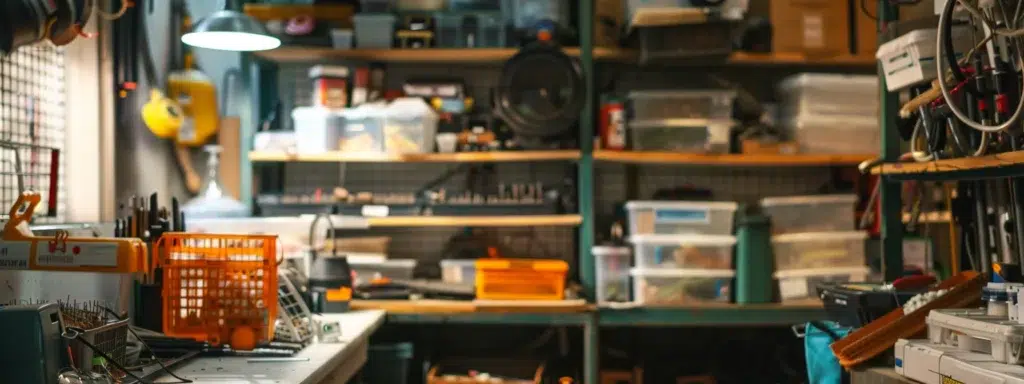
Before attempting to eliminate mice or rats, determine where they are active, how they may be entering the building, and what is attracting them.
A thorough rodent inspection helps identify the extent of an infestation and prevents wasted time on ineffective treatments. It also helps distinguish between an isolated rodent sighting and an established problem requiring additional attention.
Common Signs of a Mouse or Rat Infestation
Rodents often remain hidden during the day, making indirect evidence especially important.
- Rodent droppings: Small, dark droppings near cabinets, appliances, storage areas, or walls can indicate activity.
- Scratching or movement noises: Sounds inside walls, ceilings, and attics may become more noticeable at night.
- Gnaw marks: Mice and rats chew on food packaging, wood, plastic, insulation, and sometimes electrical wiring.
- Nesting materials: Shredded paper, fabric, cardboard, and insulation may be collected in concealed areas.
- Grease marks and travel paths: Repeated movement along walls can leave dark rub marks.
- Burrows or disturbed soil: Rats may establish burrows near foundations, landscaping, or outdoor structures.
Not every sign confirms an active infestation. However, fresh droppings, repeated noises, or continuing damage deserve prompt investigation.
For more information about recognizing mouse activity, read our guide to protecting Rhode Island homes from mice.
Where Should You Inspect for Rodents?
Begin with areas that provide shelter, warmth, or access to food.
- Basements, crawl spaces, and utility rooms
- Attics, wall voids, and accessible ceiling spaces
- Kitchens, pantries, and areas beneath appliances
- Garages, sheds, and storage rooms
- Foundations, bulkhead doors, and exterior vents
- Trash storage areas, dumpsters, and loading docks
Pay particular attention to locations where pipes, cables, or other utilities enter the structure. Photograph suspicious damage and record where activity occurs.
If you cannot identify the source, a more detailed pest control inspection can help determine the next steps.
Why Identifying Mice and Rats Matters
House mice and Norway rats are common rodent concerns in Rhode Island. Although both can invade buildings, their behavior and preferred nesting locations differ.
Mice commonly establish nests in concealed indoor spaces near food and shelter. Norway rats are larger and frequently use ground-level travel routes, foundations, and outdoor burrows.
Correct identification helps determine appropriate trap sizes, placement, monitoring strategies, and exclusion priorities.
2. Seal Rodent Entry Points Around Your Property
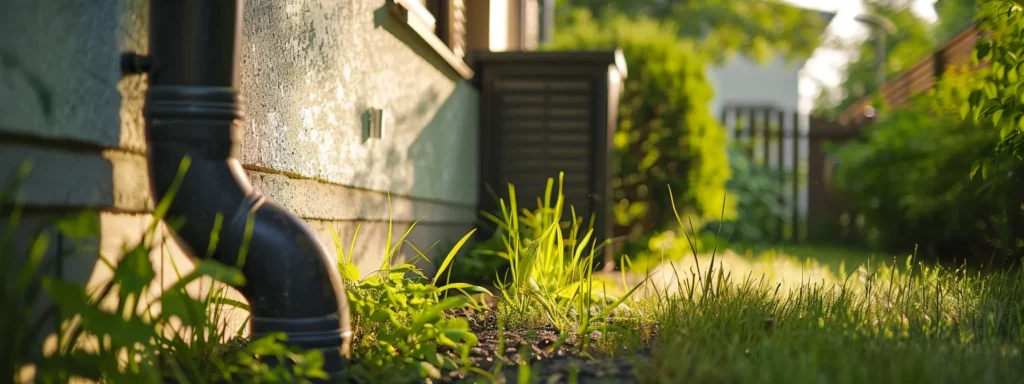
Rodent exclusion is the process of identifying and closing openings that allow mice and rats to enter a structure.
Even a small exterior gap can become an entry point. A house mouse can squeeze through an opening approximately one-quarter inch wide, while rats generally require larger openings.
Because Rhode Island experiences cold winters, rodents may seek sheltered indoor spaces as outdoor temperatures drop. However, mouse and rat activity can occur throughout the year.
Common Rodent Entry Points
Inspect these vulnerable areas around your property:
- Gaps beneath exterior doors and garage doors
- Openings around plumbing and electrical penetrations
- Damaged foundation vents and exterior screens
- Cracks where siding and foundation materials meet
- Loose or deteriorated exterior trim
- Roofline gaps, soffits, and attic ventilation openings
- Damaged bulkhead doors and basement windows
For a more detailed inspection checklist, visit our article on common rodent entry points in Rhode Island homes.
What Materials Help Keep Rodents Out?
Rodents can chew through many common building materials, including some plastics, foam, and deteriorated wood.
Depending on the opening, suitable repairs may involve metal mesh, hardware cloth, sheet metal, rodent-resistant door sweeps, or properly fitted replacement materials.
Expanding foam or ordinary caulk alone may not provide a durable barrier where rodents can chew through the material.
Important: Avoid sealing an active opening without first determining whether rodents remain inside. Trapping animals within walls or other enclosed spaces can create additional problems. Exclusion should be coordinated with an appropriate control strategy.
For additional prevention recommendations, explore our rodent-proofing tips for Rhode Island properties.
Inspect Repairs Regularly
Building movement, moisture, weather exposure, and everyday wear can create new openings over time.
Inspect previously repaired areas during seasonal maintenance, particularly after exterior renovations or severe weather. Addressing small defects early can help prevent rodents from establishing new access routes.
3. Remove Food, Water, and Shelter That Attract Rodents

Even a property with relatively few entry points can attract mice and rats when food, water, and protected nesting locations are readily available.
Good sanitation is one of the most practical ways to support rodent prevention. It can also improve the effectiveness of trapping and other control methods by reducing competing food sources.
Indoor Rodent Prevention Tips
- Store food securely: Keep pantry items, pet food, and birdseed in durable containers with tightly fitting lids.
- Clean food preparation areas: Remove crumbs, grease, and spills, including beneath refrigerators and stoves.
- Manage household trash: Empty garbage regularly and use containers with secure lids.
- Reduce clutter: Organize storage areas and remove unnecessary cardboard and nesting materials.
- Address moisture: Repair plumbing leaks and investigate persistent dampness.
- Inspect stored materials: Check deliveries, boxes, and infrequently used storage areas for signs of activity.
Outdoor Rodent Prevention Tips
Outdoor maintenance is equally important because rodents often establish shelter near buildings before entering.
- Keep garbage containers securely closed.
- Remove spilled birdseed and accessible pet food.
- Trim overgrown vegetation near foundations.
- Reduce clutter around sheds, fences, and storage areas.
- Store firewood and other materials away from exterior walls when practical.
- Address standing water and leaking outdoor fixtures.
- Inspect areas beneath decks and around outbuildings.
Commercial property managers should pay special attention to dumpsters, loading docks, waste enclosures, and food storage areas.
Learn why these practices matter in our article about the role of sanitation in effective rodent control.
How Should You Clean Up Rodent Droppings?
Rodent droppings and nesting materials should be handled carefully because they may contain harmful microorganisms.
Do not sweep or vacuum dry droppings, which can disturb contaminated particles. Ventilate the area when appropriate, wear suitable protective equipment, and thoroughly wet contaminated material with an appropriate disinfectant before removal.
Follow the disinfectant label and current public health guidance. Extensive contamination, inaccessible nesting areas, or contaminated insulation may require specialized cleanup.
4. Choose Effective Rodent Control Methods

Successful rodent management requires selecting control methods based on the type of rodent, infestation severity, property conditions, and potential exposure risks.
There is no single solution that works equally well for every mouse or rat problem. A strategy that works in a residential kitchen may not be appropriate for a warehouse, restaurant, or commercial property.
Rodent Traps and Monitoring Equipment
Properly selected traps can be effective for controlling mice and rats, particularly when activity is concentrated along identifiable travel routes.
Rodents frequently travel beside walls, behind equipment, and through protected spaces rather than crossing open areas.
Effective trapping depends on:
- Choosing equipment appropriate for mice or rats
- Placing traps near confirmed activity
- Preventing access by children, pets, and unintended animals
- Inspecting traps regularly
- Adjusting placement based on monitoring results
Trapping may reduce the current population, but it does not automatically prevent additional rodents from entering the property.
Rodenticides and Professional Bait Stations
Rodenticides may be considered in certain situations as part of a broader management program. However, improper use can create serious risks to children, pets, wildlife, and other non-target animals.
Any rodenticide must be used strictly according to its product label and applicable regulations. Bait stations and placement methods must be appropriate for the product, location, and potential exposure conditions.
Never place loose rodenticide where children, pets, or wildlife can access it. A bait station can help restrict access when properly selected and used, but it does not eliminate every risk.
For households with animals, review our article on rodent control considerations for families with pets.
Why Integrated Rodent Management Is More Effective
Integrated rodent management combines several complementary strategies rather than relying entirely on traps or bait.
A comprehensive approach may include:
- Inspecting and identifying the rodent problem
- Locating travel routes and possible entry points
- Removing accessible food and water sources
- Using appropriate trapping or other control methods
- Recommending rodent-resistant repairs
- Monitoring activity and adjusting the plan
For example, traps may capture mice already inside a home, but new mice can continue entering if an exterior opening remains unaddressed.
The goal is not simply to reduce today’s rodent activity. It is to address the conditions that allow the problem to continue.
5. Know When to Call a Professional Rodent Exterminator

Minor rodent activity may sometimes be addressed through sanitation improvements, appropriate trapping, and preventive repairs. However, established infestations often require a more systematic approach.
Consider contacting a professional rodent control company when:
- You repeatedly see mice or rats inside your property.
- Droppings return after cleaning.
- Scratching noises continue inside walls or ceilings.
- Rodents have damaged wiring, insulation, or stored materials.
- Trapping efforts are not reducing activity.
- You cannot identify where rodents are entering.
- Rodents are active around commercial food storage or waste areas.
- You are concerned about safe placement of control equipment.
A professional inspection can help identify the likely cause of the infestation and determine which control measures are appropriate.
Learn more about how professional exterminators approach rodent infestations and what to expect from a structured management plan.
Professional Rodent Control From Pro Mosquito Solutions
At Pro Mosquito Solutions, we understand that every property and rodent problem is different.
As a local, family-owned pest control company serving Rhode Island and Bristol County, Massachusetts, we focus on professional service, clear communication, and treatment recommendations tailored to each customer’s situation.
Whether you are dealing with mice in your kitchen, rats around a commercial building, or recurring rodent activity in a basement or storage area, we can help evaluate the problem and recommend a practical management strategy.
Explore our services to find the right option for your property:
- Rodent control services for residential and commercial properties
- Professional mice control for indoor mouse activity
- Rat control services for rat infestations and recurring activity
For commercial buildings, apartment communities, and facilities with recurring pest concerns, our guide to commercial rodent control solutions explains additional management considerations.
Need help getting a rodent problem under control? Call or text Pro Mosquito Solutions at (401) 216-8081 or contact our local pest control team to discuss your property.
6. Monitor Your Property to Prevent Future Rodent Infestations

Rodent management should continue beyond the first successful trapping effort or the disappearance of visible activity.
Without ongoing prevention, properties can experience new infestations when food sources return, exterior openings develop, or nearby rodent populations move into the area.
Maintain a Simple Rodent Activity Log
Keep track of sightings, droppings, scratching noises, burrows, and other evidence of activity.
Record the location and date of each observation. This information can help identify patterns and determine whether control efforts are working.
If activity continues or moves to another part of the property, reassess the strategy rather than repeatedly relying on the same unsuccessful approach.
Make Rodent Prevention Part of Seasonal Maintenance
Inspect exterior doors, foundations, utility openings, and storage areas periodically throughout the year.
Pay particular attention during the fall and winter, when rodents may seek protected spaces, but do not assume warmer weather eliminates the risk.
Businesses should incorporate rodent prevention into regular facility maintenance, especially around receiving areas, food storage, dumpsters, and exterior doors.
For additional recommendations, read our rodent prevention guide.
Rodent Control for Rhode Island Homes and Businesses
Rodent problems can occur in residential neighborhoods, apartment buildings, restaurants, warehouses, and other commercial properties throughout the region.
Pro Mosquito Solutions serves customers across Rhode Island, including Providence, Cranston, Warwick, Pawtucket, and surrounding communities.
We also serve Bristol County, Massachusetts, including Attleboro, Seekonk, Rehoboth, and nearby communities within our service area.
Whether your concern involves a single-family home or a commercial facility, identifying the cause of rodent activity is an important first step toward developing an effective management plan.
Frequently Asked Questions About Rodent Control in Rhode Island
What are the first signs of a rodent infestation?
Common warning signs include droppings, scratching noises, gnaw marks, shredded nesting materials, and damaged food packaging. Fresh droppings or repeated activity in the same areas may indicate an ongoing problem. A mouse or rat sighting during the day also deserves investigation, although one sighting alone does not establish the infestation’s size.
How do mice and rats get into a house?
Mice and rats can enter through gaps around doors, utility pipes, vents, foundations, and damaged exterior materials. Mice can fit through openings approximately one-quarter inch wide. Inspecting the building exterior and repairing vulnerable areas with rodent-resistant materials can help reduce entry opportunities.
Will sealing holes get rid of mice or rats already inside?
Not necessarily. Sealing entry points helps prevent additional rodents from entering, but animals already inside may remain trapped. An effective control plan coordinates exclusion with appropriate trapping, monitoring, and other management methods to address existing activity before openings are permanently closed.
Are rodent bait stations safe around children and pets?
Properly selected and secured bait stations are designed to restrict access to rodenticide, but they do not eliminate every risk. Product label directions, appropriate placement, ongoing inspections, and protection of children, pets, and wildlife are essential. Ask your pest control professional about the products and precautions appropriate for your property.
How long does professional rodent control take?
The timeline depends on the infestation’s severity, available food sources, entry points, and treatment methods. Some rodent problems show improvement within the first few weeks, while more established infestations may require additional visits, exclusion work, and monitoring. A professional assessment can help establish realistic expectations.
Can mice and rats cause damage to a home?
Yes. Rodents may chew insulation, wood, stored materials, food packaging, and electrical wiring. They can also contaminate surfaces and stored food with droppings and urine. Suspected electrical damage should be inspected by a qualified electrician, and contaminated areas should be cleaned using appropriate precautions.
Does Pro Mosquito Solutions treat both mice and rats?
Yes. Pro Mosquito Solutions provides professional mice and rat control for residential and commercial properties throughout Rhode Island and Bristol County, Massachusetts. Call or text (401) 216-8081 to discuss your rodent concerns and available treatment options.
Do rodents cause problems during the winter in Rhode Island?
Yes. Mice and rats can remain active throughout the year. During colder weather, buildings may provide attractive sources of warmth, food, and shelter. Checking entry points, storing food securely, and monitoring for droppings or scratching noises can help identify winter rodent activity early.
Protect Your Property With Professional Rodent Control
Effective rodent management begins with understanding why mice or rats are present and addressing the conditions that allow them to remain.
Inspection, sanitation, rodent-resistant repairs, appropriate control methods, and ongoing monitoring all contribute to a stronger prevention strategy.
If rodents are already active, professional assistance can help you avoid ineffective treatments and develop a plan suited to your property.
Pro Mosquito Solutions is here to help. As a local, family-owned pest control company, we provide personalized rodent management for homeowners and businesses throughout Rhode Island and Bristol County, Massachusetts.
Call or text (401) 216-8081 today to discuss your mouse or rat problem, or contact Pro Mosquito Solutions online to get started.

Ryan Lambert is the owner of Pro Mosquito Solutions, a trusted pest control company serving Rhode Island and Bristol County, Massachusetts. Known for their eco-friendly, effective pest solutions, Ryan and his team handle mosquitoes, ticks, ants, rodents, and more with customized services that keep properties pest-free. Pro Mosquito Solutions is dedicated to customer satisfaction, using top-quality products and innovative techniques to ensure safe, long-lasting results. Ryan also writes informative blogs, empowering customers with knowledge about pest control and prevention.