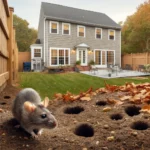

Owning a home in Rhode Island means dealing with changing seasons, unpredictable weather, and a variety of pests that can affect your property throughout the year. Mosquitoes and ticks become a concern when families spend time outdoors, ants may invade kitchens during warmer months, and mice or rats can find shelter inside buildings when conditions are favorable.
Residential pest control in Rhode Island helps homeowners identify pest problems, reduce activity, and take practical steps to prevent recurring infestations. The right approach depends on the pest, the property, and the conditions contributing to the problem.
At Pro Mosquito Solutions, we’re a local, family-owned pest control company providing customized services throughout Rhode Island and Bristol County, Massachusetts. We help homeowners manage mosquitoes, ticks, ants, mice, rats, and other pests covered by our services.
Whether you’re dealing with mosquitoes in your backyard, ants entering your home, or rodents in the basement, our team can help you explore appropriate treatment options.
Need help with a pest problem? Call or text (401) 216-8081 or contact Pro Mosquito Solutions to discuss your property and request service information.
What Is Residential Pest Control?
Residential pest control involves identifying, managing, and helping prevent pests in and around a home. Depending on the problem, treatment may focus on outdoor areas, the building’s exterior, specific indoor locations, or a combination of these areas.
Professional pest management can include inspections, targeted treatments, monitoring, sanitation recommendations, and identifying conditions that allow pests to thrive.
For example, mosquito control may focus on vegetation and breeding sites, while rodent management may involve traps, monitoring devices, secured bait stations, and recommendations for closing entry points.
The goal is not simply to apply a treatment. It is to understand the pest problem and develop an appropriate strategy for the property.
Common Household Pests in Rhode Island
Rhode Island homeowners encounter different pests throughout the year. Understanding their habits and warning signs can help you recognize when prevention or professional treatment may be beneficial.
1. Mosquitoes
Mosquitoes are among the most frustrating outdoor pests during Rhode Island’s warmer months. They can make backyard gatherings, gardening, and outdoor play uncomfortable.
Some mosquitoes can also transmit diseases, including West Nile virus and Eastern equine encephalitis (EEE). The presence of mosquitoes does not mean they are carrying these diseases, but reducing mosquito exposure is an important precaution.
Mosquitoes need water to complete their life cycle. Birdbaths, clogged gutters, buckets, children’s toys, and other containers that collect water can create breeding opportunities.
Signs of a mosquito problem:
- Frequent mosquito bites while spending time outdoors.
- Large numbers of mosquitoes around shaded landscaping.
- Standing water that remains on the property.
- Mosquito activity around patios, decks, and other outdoor gathering areas.
Homeowners can help by emptying standing water regularly, maintaining gutters, and keeping outdoor containers covered or overturned.
Professional mosquito and tick barrier spray treatments can help reduce mosquito activity around appropriate areas of a property.
For additional information, read our guide explaining how mosquito and tick control helps Rhode Island homeowners.
2. Ants
Ants commonly enter Rhode Island homes while searching for food, moisture, or suitable nesting locations. They may appear around kitchen counters, sinks, windows, doorways, and foundations.
Some ants are primarily nuisance pests. Carpenter ants deserve particular attention because they excavate galleries in wood for nesting. Unlike termites, carpenter ants do not eat wood, but established colonies can damage wooden materials.
Signs of an ant infestation:
- Repeated ant trails along counters, walls, or foundations.
- Ants entering through gaps around doors or windows.
- Recurring activity despite cleaning and basic prevention.
- Coarse sawdust-like material associated with possible carpenter ant nesting.
Cleaning spills, securing food, addressing moisture problems, and sealing suitable entry points may help reduce ant activity.
When ants continue returning, professional ant control services can help identify the problem and select appropriate treatment areas.
Homeowners can also learn more about identifying and managing ants in our Rhode Island ant control guide.
3. Rodents: Mice and Rats
Mice and rats can create serious problems when they enter homes. Rodents may contaminate stored food, damage insulation, gnaw on accessible wiring, and leave droppings or nesting materials in concealed spaces.
Rodents can also be associated with diseases transmitted through certain types of exposure. Avoid handling rodents or cleaning contaminated areas without appropriate precautions.
Common signs of rodent activity:
- Small or large droppings in cabinets, basements, or storage areas.
- Scratching or movement sounds inside walls and ceilings.
- Gnawed food packaging or damaged stored materials.
- Nesting materials in hidden locations.
- Burrows near foundations, sheds, or exterior structures.
Prevention begins with securing food, reducing clutter, managing trash, and identifying openings rodents may use to enter.
Pro Mosquito Solutions provides professional rodent control for mice and rats, with treatment recommendations based on the property and the extent of activity.
For more detailed homeowner advice, explore our mice control guide for Rhode Island.
4. Ticks
Ticks are a concern for Rhode Island homeowners because certain species can transmit illnesses, including Lyme disease, anaplasmosis, and babesiosis.
Ticks may be encountered in wooded areas, leaf litter, tall vegetation, and transitional areas between lawns and natural landscapes.
Properties bordering woods or areas frequently visited by wildlife may have conditions favorable to tick activity.
Ways to reduce tick exposure:
- Keep grass maintained and remove unnecessary leaf litter.
- Trim vegetation around frequently used outdoor areas.
- Use appropriate personal tick repellents according to label directions.
- Perform tick checks after outdoor activities.
- Ask your veterinarian about suitable tick prevention for pets.
Professional tick treatments can help reduce tick populations in targeted outdoor areas, but they do not eliminate every tick or replace personal prevention measures.
Learn more about residential tick control in Rhode Island and the treatment options available for your property.
5. Spiders and Other Crawling Insects
Spiders are commonly found around foundations, windows, garages, basements, and other sheltered areas. Many species are beneficial predators that feed on insects, and most spiders encountered in Rhode Island homes are not medically significant.
However, recurring spider activity, webs around entrances, or large numbers of crawling insects may be frustrating for homeowners.
Reducing clutter, sealing openings, repairing screens, and limiting insect activity around the building may help reduce spider encounters.
Pro Mosquito Solutions offers foundation barrier treatments for common crawling insects, with treatment recommendations based on the pest and property conditions.
For more information about common species and concerns, read our guide to spiders in Rhode Island.
How Household Pests Can Affect Your Home
Pest activity can create problems beyond occasional bites or unwanted sightings. The type and severity of the problem depend on the species and the conditions involved.
Property Damage
Rodents may gnaw on wiring, insulation, and stored materials. Carpenter ants can excavate galleries in wood, particularly where moisture or damaged materials provide favorable nesting conditions.
Identifying pest activity early may help homeowners address conditions before more extensive damage develops.
Health and Contamination Concerns
Mosquitoes and ticks can transmit certain pathogens. Rodents may contaminate food and surfaces through droppings, urine, or other materials.
Risk varies by pest, location, and exposure. Appropriate prevention and professional guidance can help reduce contact with pests and contaminated areas.
Reduced Comfort and Enjoyment
Even when pests do not cause structural damage, they can interfere with daily activities. Mosquitoes may discourage outdoor gatherings, ants can become a recurring kitchen nuisance, and scratching noises from rodents can make homeowners uncomfortable.
Addressing the underlying pest problem helps make living spaces more comfortable and outdoor areas more enjoyable.
Why Professional Residential Pest Control Is Worth Considering
Some minor pest problems can be managed through sanitation, maintenance, and appropriate do-it-yourself methods. However, professional service can be valuable when pests continue returning or the infestation is difficult to locate and control.
Professional Identification and Inspection
Different pests require different strategies. A professional can evaluate signs of activity, likely nesting areas, and conditions contributing to the problem.
This helps avoid treating the wrong pest or repeatedly addressing symptoms without identifying the source.
Customized Treatment Plans
A wooded property with significant tick activity has different needs from a home experiencing recurring kitchen ants or mice in the basement.
Professional pest management allows treatment recommendations to reflect the specific pest, property layout, environmental conditions, and household concerns.
Appropriate Product Selection and Application
Professional treatments should follow applicable pesticide labels and regulations. Product selection, placement, and reentry precautions are important, particularly when children and pets use the property.
No pesticide treatment should be described as completely harmless or risk-free. Homeowners should follow all technician instructions and product-specific precautions.
Prevention and Ongoing Monitoring
Some pests require ongoing management because new populations can develop or enter from surrounding areas.
Professional service may include monitoring, follow-up treatment, and recommendations for reducing food sources, shelter, moisture, or entry opportunities.
Learn more about the differences between professional pest control and DIY approaches.
How Often Should Rhode Island Homeowners Schedule Pest Control?
There is no single treatment schedule that is appropriate for every pest. Service frequency depends on the target species, treatment method, season, infestation severity, and property conditions.
Mosquito and Tick Treatments
For Pro Mosquito Solutions’ recurring mosquito and tick barrier spray service, the first two treatments are generally scheduled approximately two weeks apart, followed by treatments about every three weeks during the service season.
The appropriate schedule may vary based on the service selected and the conditions at the property.
Foundation Barrier Treatments
Foundation barrier treatments for crawling insects are typically scheduled quarterly, approximately every three months, when ongoing service is appropriate.
These treatments focus on applicable exterior areas and are different from mosquito and tick yard treatments.
Rodent Control
Rodent management depends on the extent of activity and the property. An active infestation may require an initial treatment program and follow-up monitoring, while properties with recurring rodent pressure may benefit from ongoing service.
For a broader discussion of seasonal pest activity, read our guide to year-round pest control in Rhode Island.
Practical Pest Prevention Tips for Rhode Island Homeowners
Professional treatment is most effective when paired with sensible property maintenance. These steps can help reduce the conditions that attract or support pests.
1. Seal Potential Entry Points
Inspect doors, windows, utility penetrations, and accessible foundation openings. Repair damaged screens and use suitable materials to close gaps where appropriate.
For rodents, pay particular attention to openings around pipes, doors, vents, and other structural features.
2. Keep Food and Trash Secure
Store pantry products and pet food in secure containers. Clean up spills promptly and keep garbage containers closed.
Reducing accessible food sources can make the property less attractive to ants, mice, and rats.
3. Eliminate Standing Water
Empty water from buckets, plant saucers, toys, and other containers regularly. Maintain gutters and address unnecessary water accumulation.
For water features that cannot be drained, ask about appropriate mosquito water treatment options.
4. Maintain Your Yard
Keep grass maintained, trim overgrown vegetation, remove unnecessary debris, and manage leaf litter around frequently used areas.
These practices may help reduce favorable habitat for ticks, rodents, and some other pests.
5. Address Moisture Problems
Repair leaks, improve drainage where needed, and investigate persistent moisture around foundations, basements, and other areas.
Moisture can contribute to conditions that attract certain insects and support pest activity.
6. Check for Early Warning Signs
Look for recurring ant trails, rodent droppings, gnaw marks, unusual noises, or increased outdoor biting activity.
Identifying problems early can make it easier to choose an appropriate response.
Our article on sanitation and rodent prevention offers additional advice for reducing pest attractants around the home.
Natural Pest Control Options for Rhode Island Homes
Some homeowners prefer plant-based treatments or want to reduce unnecessary pesticide applications. These preferences can be part of a discussion about the most appropriate pest management approach.
Pro Mosquito Solutions offers a natural mosquito and tick treatment option for customers interested in plant-based products.
However, natural does not automatically mean harmless. Plant-derived ingredients can still have precautions, and treatment effectiveness may differ from conventional options.
Homeowners should ask about the product being used, expected treatment frequency, and applicable safety instructions before service.
When Should You Call a Professional Pest Control Company?
Consider professional service when:
- Pests keep returning despite cleaning or basic prevention.
- You discover rodent droppings, nesting materials, or signs of damage.
- Ant activity is persistent or you suspect carpenter ants.
- Mosquitoes or ticks are making your outdoor spaces difficult to enjoy.
- You need a treatment plan for several pest concerns around the same property.
- You want help understanding which prevention and treatment options are appropriate for your home.
A professional assessment can help determine whether a targeted treatment, recurring service, or additional prevention measures are appropriate.
Why Choose Pro Mosquito Solutions?
Choosing a local pest control company means working with a team familiar with the pests and seasonal conditions that affect Rhode Island properties.
Pro Mosquito Solutions is a family-owned company focused on personalized service and practical pest management solutions.
Homeowners choose us for:
- Local service: We serve Rhode Island and Bristol County, Massachusetts.
- Customized treatments: Recommendations based on the pest, property, and customer needs.
- Multiple pest control services: Mosquitoes, ticks, ants, mice, rats, and applicable crawling insects.
- Clear communication: Information about the treatment process, scheduling, and relevant precautions.
- Prevention-focused guidance: Recommendations to help reduce conditions that support recurring pest activity.
We provide service throughout Rhode Island, including Pawtucket, Providence, Cranston, Warwick, East Providence, Cumberland, and surrounding communities, as well as Bristol County, Massachusetts.
Homeowners looking for local service can also explore our Pawtucket pest control services.
Frequently Asked Questions About Residential Pest Control in Rhode Island
What pests does residential pest control cover in Rhode Island?
Residential pest control may address mosquitoes, ticks, ants, mice, rats, and other common household pests. Pro Mosquito Solutions offers customized services based on the pest involved, the property, and the treatment options available.
How often should I schedule residential pest control?
Service frequency depends on the pest and treatment. Pro Mosquito Solutions generally schedules recurring mosquito and tick barrier sprays approximately every three weeks after the first two visits, while foundation barrier treatments are typically quarterly. Rodent control schedules depend on the infestation and monitoring needs.
Why is pest control important for Rhode Island homeowners?
Pest control helps homeowners manage nuisance pests, reduce certain pest-related health concerns, and address conditions that may contribute to property damage. The appropriate approach combines prevention, identification, and targeted treatment when necessary.
Are residential pest control treatments safe for children and pets?
Treatments should be selected and applied according to their product labels, with appropriate precautions for children and pets. For many outdoor liquid treatments, pets and children must remain away during application and until treated surfaces are completely dry, but the specific product label and technician instructions determine when reentry is permitted.
Can I schedule a one-time pest control treatment?
Yes. Pro Mosquito Solutions offers certain one-time pest control services, depending on the pest and situation. Other problems may benefit from recurring treatments or follow-up monitoring. Contact our team to discuss which option is appropriate for your property.
How much does residential pest control cost in Rhode Island?
Pricing depends on the pest, property size, treatment method, and service frequency. Pro Mosquito Solutions can explain available options and provide pricing based on your specific needs. Call or text (401) 216-8081 for more information.
Do I need pest control throughout the year in Rhode Island?
Not every pest requires year-round treatment. Mosquito and tick services are generally seasonal, while rodents and certain crawling insects may require attention during other times of the year. The best schedule depends on the pest and property conditions.
What should I expect during a residential pest control visit?
The process depends on the service. Your technician may assess pest activity, apply appropriate treatments, place or inspect control equipment, and explain prevention recommendations. You should also receive instructions about preparation, access, and any applicable reentry precautions.
Are natural pest control treatments available?
Yes. Pro Mosquito Solutions offers plant-based mosquito and tick treatment options. Natural products are not automatically risk-free, so customers should follow all product-specific instructions and discuss expected performance and precautions before treatment.
Does Pro Mosquito Solutions serve my Rhode Island town?
Pro Mosquito Solutions serves homeowners throughout Rhode Island and Bristol County, Massachusetts, including Pawtucket, Providence, Cranston, Warwick, and surrounding communities. Call or text (401) 216-8081 to confirm service availability for your property.
Protect Your Rhode Island Home with Professional Pest Control
Whether you’re dealing with mosquitoes around the patio, ticks near wooded areas, ants in the kitchen, or rodents inside your home, effective pest control begins with understanding the problem and choosing the right response.
Prevention, property maintenance, and professional treatment can work together to help reduce pest activity and make your home more comfortable.
At Pro Mosquito Solutions, we’re proud to provide customized pest control services for homeowners throughout Rhode Island and Bristol County, Massachusetts.
Ready to take control of your pest problem? Call or text (401) 216-8081 or contact Pro Mosquito Solutions online to discuss your property and available treatment options.

Ryan Lambert is the owner of Pro Mosquito Solutions, a trusted pest control company serving Rhode Island and Bristol County, Massachusetts. Known for their eco-friendly, effective pest solutions, Ryan and his team handle mosquitoes, ticks, ants, rodents, and more with customized services that keep properties pest-free. Pro Mosquito Solutions is dedicated to customer satisfaction, using top-quality products and innovative techniques to ensure safe, long-lasting results. Ryan also writes informative blogs, empowering customers with knowledge about pest control and prevention.