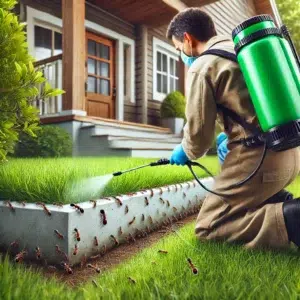
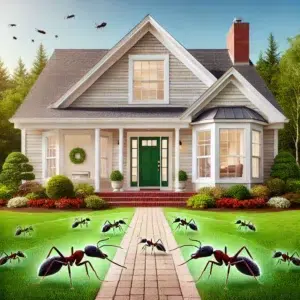
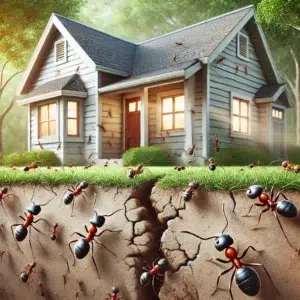
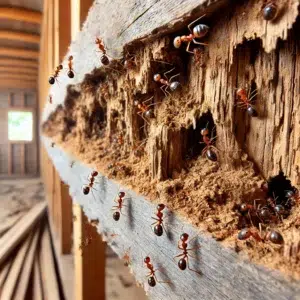
Ant infestations in Rhode Island are more than a minor annoyance—they can cause structural damage, contaminate food, and pose health risks. As social insects, ants
Understanding the Importance of Ant Control in Rhode Island Ants may be small, but their impact can be significant, especially when they invade our homes.
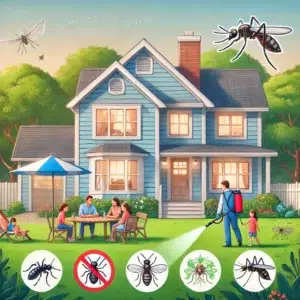
Owning a home in Rhode Island comes with a myriad of responsibilities. One essential task, often overlooked, is pest control. Whether it’s mosquitoes buzzing around
Before we delve into the solutions, let’s understand the enemy. Gnats, while often grouped together, encompass a variety of species, each with its unique preferences and behaviors. Fungus Gnat Fungus
Local exterminators for carpenter ants can be your home’s best defense against these wood-boring invaders. Carpenter ants are more than just nuisances; they can cause
Pest control in Rhode Island is a concern for many homeowners, especially those committed to eco-friendly living. Whether you’re dealing with ants, termites, or mosquitoes,
Effective Carpenter Ant Control in Rhode Island to Safeguard Your Home Carpenter ants can silently weaken wooden structures, leading to costly water damage and safety risks inside walls, baseboards, and crawl spaces.
infestation, pet food, fire ant, ant, pest, leaf, insect, termite, pest control, red imported fire ant, carpenter ant, nest, insecticide, argentine ant, tapinoma sessile, ant colony, species, pharaoh ant, liquid, pesticide, sugar, kitchen, tree, plant, aphid, wood, health, animal, boric acid, insect repellent, oil, water, trail, foraging, bait, soil, odor, borax, fruit, pheromone, diatomaceous earth, acid, mulch, vinegar, poison, egg, fipronil, inspection, integrated pest management, essential oil, behavior, entomology, garden, abdomen, honey, lawn, pest management, pests, ant control, pest control professional, ant treatment, natural, ant pest control, neem oil, fly, flea, syrup, colony, caulk, pet, landscape, sink, vegetable, cinnamon, beetle, hymenoptera, toxicant, orkin, spider, perimeter, thorax, plastic, cotton, sanitation, debris, mildew, glass, solenopsis molesta, mosquito, protein, active ingredient, honeydew, soap, disease, heat, peppermint, tea tree oil, firewood, yard, pyrethroid, agriculture, earth, cleaning agent, plastic bag, orange, tick, information, invasive species, gel, moisture, mixture, fat, detergent, caterpillar, wall, powder, inch, tea, basement, lumber, bathroom, rodent, commercial pest control, professional pest control, pest control services, hidden, ant control service, pest control treatment, ant control services, ant exterminator near me, ant pest control near me, ant removal near me, ant removal service, carpenter ant exterminator near me, pest control carpenter ants, best ant exterminators near me, ant treatment near me, local exterminators for ants, ant extermination, carpenter ant extermination, zip code, shrub, rat, price, mouse, pantry, cost, management, ant exterminator price, ant exterminator cost, rhode island, massachusetts, mosquito control, email address, wildlife, customer service, pest control service, wildlife removal, residential pest control, pest control experts, termites, home protection, pest control treatments, rodent control, pest control company, pest control solutions, customer, squirrel, bird, message, bat, sentricon, southeastern massachusetts, ant control education, how to get rid of ants, general ant prevention tips, common household ants, carpenter ant control, natural ant repellents, ant infestation solutions, best ant extermination methods, Rhode Island ant control, DIY ant removal, ant-proofing your home, insect control education, ant bait and trap advice, safe ant control solutions, seasonal ant prevention, sugar ant control, fire ant treatment, how to stop ants from coming inside, eco-friendly ant control, best ant killer products, home remedies for ants, ant prevention in kitchens, professional ant extermination, ant colonies in homes, pest control for ants in RI, how to eliminate ants naturally, identifying different ant species, foundation treatments for ants, non-toxic ant solutions, expert ant control tips, rhode island ant control, ri
Frequently Asked Questions
Are ants common in Rhode Island homes?
Ants are indeed common in Rhode Island homes. Their presence can often escalate quickly, making it essential for homeowners to implement preventive measures to keep these pests at bay.
What are the signs of an ant infestation in Rhode Island?
The signs of an ant infestation in Rhode Island include noticing small trails of ants, finding discarded ant body parts, spotting ant nests near your home, and discovering food contamination due to ant activity.
How can I prevent ants from entering my house?
Preventing ants from entering your house involves sealing entry points, such as cracks and gaps in windows and doors, keeping food stored tightly, and maintaining a clean environment by regularly cleaning up spills and crumbs.
How do I get rid of ants in Rhode Island?
Getting rid of ants in Rhode Island involves a combination of proper sanitation, sealing entry points, and using bait or insecticides. Consider professional pest control services for effective, long-term solutions tailored to local ant species.
Can pest control services eliminate ants in Rhode Island?
Pest control services can effectively eliminate ants in Rhode Island. By employing targeted treatments and preventive measures, professionals can not only remove existing infestations but also help prevent future ant invasions in your home.
What attracts ants to Rhode Island properties?
Ants are attracted to Rhode Island properties primarily due to the availability of food, water, and shelter. Common attractants include sugary substances, pet food, and moisture, as well as nesting areas like wood piles or cracks in foundations.
What is the best ant pest control method in Rhode Island?
The best ant pest control method in Rhode Island involves a combination of targeted baiting and professional pest control services. This approach effectively eliminates ant colonies and prevents future infestations.
What time of year are ants most active?
Ants are most active during the warmer months, typically from spring to late summer, as they seek food, build nests, and establish colonies.
Which ant species are prevalent in Rhode Island?
The prevalent ant species in Rhode Island include the carpenter ant, odorous house ant, pavement ant, and little black ant. These species often invade homes and can cause various issues if not managed effectively.
How effective are professional ant control services?
The effectiveness of professional ant control services is significant. Trained technicians utilize targeted treatments and long-term strategies to eliminate infestations and prevent future occurrences, ensuring a pest-free environment in your home.
What natural repellents deter ants in homes?
Natural repellents that deter ants in homes include vinegar, peppermint oil, and diatomaceous earth. These substances disrupt ant trails and deter them from entering your living spaces, making them effective for prevention.
How often should I inspect for ants?
Regular inspections for ants are essential, ideally once a month. This proactive approach helps identify early signs of infestations, allowing for timely intervention and preventing potential damage to your home.
What environmental factors attract ants in Rhode Island?
Environmental factors that attract ants in Rhode Island include moisture, food sources such as sugary or greasy substances, and sheltered areas like cracks in structures or densely vegetated areas. These conditions facilitate their nesting and foraging behaviors.
How do weather conditions affect ant behavior?
Weather conditions significantly influence ant behavior. Ants are more active during warm, humid conditions, while extreme heat or cold can cause them to seek shelter and reduce foraging activities.
What ant control methods are safe for pets?
Safe ant control methods for pets include using bait stations that are placed out of reach, natural repellents like vinegar or essential oils, and diatomaceous earth, which is non-toxic to animals but effective against ants.
How can I identify an ant colony?
Identifying an ant colony involves looking for signs such as trails of ants, nests in soil or wood, and areas with food debris. Observing the ants' behavior can also help pinpoint the colony's location.
What is the lifespan of common ants?
The lifespan of common ants varies by species, but generally, worker ants live for 2 to 7 years, while queens can live from 10 to 30 years, depending on environmental conditions and species.
What techniques can homeowners use for prevention?
Techniques homeowners can use for prevention include sealing cracks and crevices, keeping food stored securely, maintaining cleanliness, utilizing traps, and scheduling regular pest control inspections to proactively address potential infestations.
Do seasonal changes impact ant migration patterns?
Seasonal changes significantly impact ant migration patterns. As temperatures fluctuate and food availability changes throughout the year, ants may relocate to find suitable habitats, leading to increased activity during warmer months and dormancy in colder seasons.
What are effective traps for ant control?
Effective traps for ant control include bait stations containing insecticides that attract ants. These traps entice ants to carry the poison back to their colony, ultimately reducing the population and effectively managing infestations.
How do ants communicate within their colony?
Ants communicate within their colony through a combination of chemicals, sounds, and touch. They primarily use pheromones to convey information about food sources, danger, and their reproductive status, enabling efficient coordination and collaboration among colony members.
What DIY methods are effective for ant elimination?
Effective DIY methods for ant elimination include using bait mixtures of boric acid and sugar, vinegar solutions to disrupt scent trails, and keeping food sealed to prevent attraction. Regularly cleaning surfaces also helps deter their presence.
What precautions minimize ant infestations in homes?
Taking precautions to minimize ant infestations in homes includes sealing cracks and crevices, maintaining cleanliness to eliminate food sources, and promptly addressing any moisture issues to deter ants from entering your living space.
How can landscaping affect ant presence?
Landscaping can significantly influence ant presence. Poorly maintained gardens, excessive mulch, and standing water attract ants, creating favorable conditions for infestations. Proper landscaping practices help deter ants by minimizing their food sources and nesting sites.
What role do pheromones play in ant behavior?
The role of pheromones in ant behavior is crucial for communication and coordination within the colony. Ants use these chemical signals to mark trails, alert others to food sources, and coordinate defensive actions against threats.
How can food storage reduce ant attractants?
Proper food storage helps reduce ant attractants by keeping food sealed and stored in airtight containers, eliminating access to food sources that can lure ants into your home.
What do ants typically feed on in homes?
Ants typically feed on a variety of substances found in homes, including sugary foods, proteins, oils, and even scraps from your kitchen. They are opportunistic feeders and will seek out any available food sources to sustain their colonies.
How do environmental changes impact ant populations?
Environmental changes significantly impact ant populations by altering their habitats, food availability, and reproductive cycles. Factors like climate change, urbanization, and pesticide use can lead to shifts in population dynamics, potentially causing declines or increases in specific ant species.
What tools are necessary for effective ant control?
The tools necessary for effective ant control include bait stations, insecticides, dust applicators, and protective gear. These tools help target and eliminate ant colonies while ensuring safety for homeowners during the pest control process.
How can I monitor ant activity in my yard?
Monitoring ant activity in your yard can be done by regularly observing their movement and nesting sites. Look for trails, mounds, and signs of foraging, especially near food sources, to accurately gauge their population and behaviors.
ant control rhode island, ant exterminator, ant infestation solutions, insect pest control, ant prevention tips, effective ant extermination, common household ants, professional ant removal, insect control strategies, ant treatment for homes, pest management for ants, how to get rid of ants, ant colony elimination, eco-friendly ant control, ant control for businesses, signs of an ant infestation, preventing insect invasions, rhode island insect control, ant treatment service, ant exterminator rhode island, ant exterminator near me, ant exterminator cranston, ant control cranston, ri general pest control, rhode island general pest control