
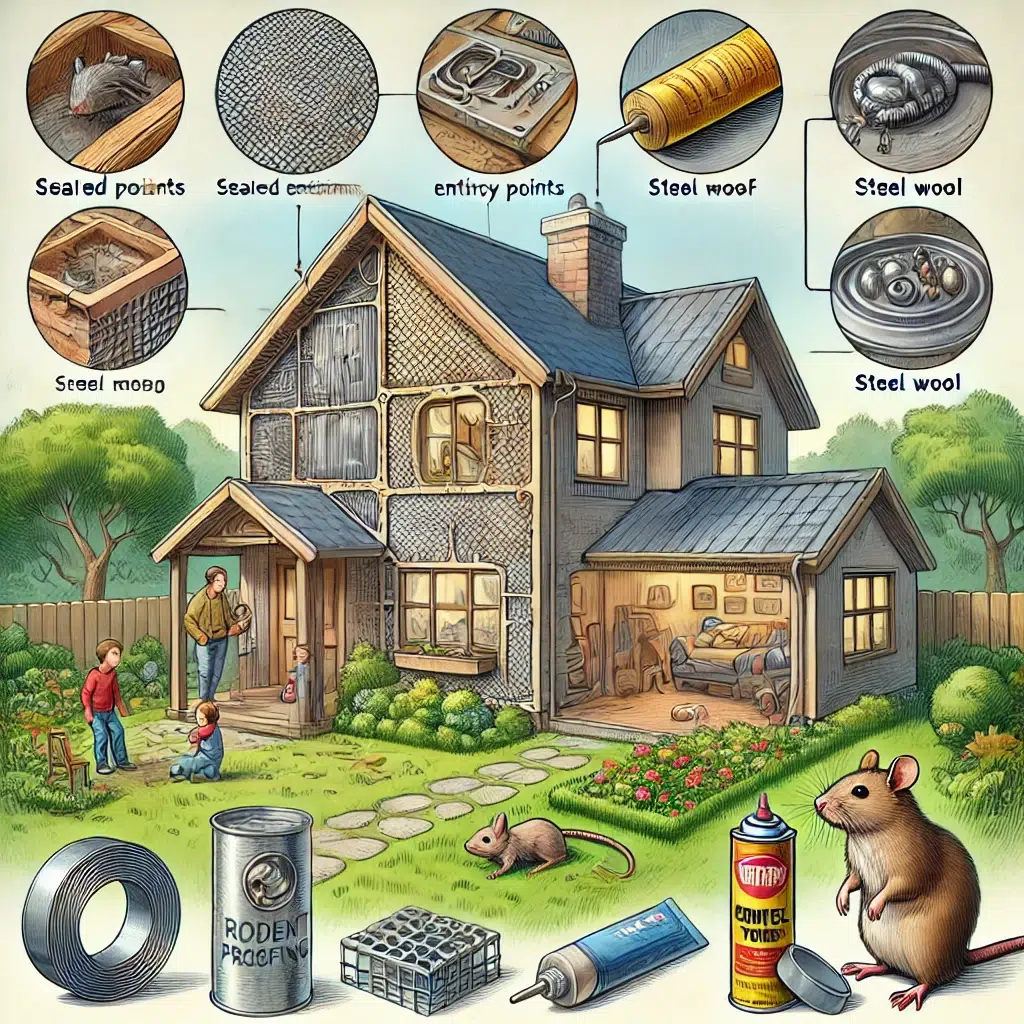
Rodent-proofing your Rhode Island home starts with a simple goal: make it difficult for mice and rats to find a way inside. Whether you live in Providence, Cranston, Warwick, Pawtucket, or another Rhode Island community, small gaps around your foundation, accessible food, and hidden nesting areas can create opportunities for unwanted rodents.
As temperatures drop, mice and rats may seek shelter inside warm buildings. However, rodent activity is not limited to fall and winter. These pests can enter homes throughout the year when food, water, and protected nesting spaces are available.
The good news is that several practical home improvements can significantly reduce your risk of an infestation. This guide explains seven effective rodent-proofing strategies, how to recognize warning signs, and when professional pest control can help.
Already hearing scratching or finding droppings? Pro Mosquito Solutions provides professional rodent control services in Rhode Island and Bristol County, Massachusetts. Call or text (401) 216-8081 to discuss your property and available treatment options.
Why Rodent-Proofing Your Rhode Island Home Matters
Mice and rats are more than an inconvenience. Once inside, they may contaminate food, damage insulation, chew building materials, and create sanitation concerns. Rodents can also damage electrical wiring, potentially increasing the risk of electrical faults and fires.
Rodent-proofing focuses on preventing access and reducing the conditions that attract these pests. It is an important part of long-term rodent management, whether you are protecting a single-family home, apartment building, or commercial property.
Common Signs of Mice and Rats in Your Home
Before beginning prevention work, inspect your property for evidence of an existing infestation. Common warning signs include:
- Droppings: Small, dark droppings around cabinets, appliances, storage areas, and along walls.
- Gnaw marks: Damage to food packaging, wood, plastic, insulation, or electrical wiring.
- Scratching noises: Movement inside walls, ceilings, or attics, particularly at night.
- Nesting materials: Shredded paper, fabric, cardboard, or insulation gathered in protected areas.
- Unusual odors: Persistent musty or ammonia-like smells near areas of rodent activity.
- Outdoor burrows: Holes and disturbed soil near foundations, sheds, or retaining walls that may indicate rat activity.
Repeated warning signs should not be ignored. Learn more in our guide to the top signs of a rodent infestation in Rhode Island.
1. Inspect and Seal Rodent Entry Points
Sealing entry points is one of the most important steps in rodent-proofing a home. Mice can squeeze through openings approximately one-quarter inch wide, while rats can use somewhat larger gaps.
Even a well-maintained home may have vulnerable areas around utility lines, doors, vents, and foundations.
Inspect Your Home’s Exterior
Walk around the outside of your home and examine the building from the foundation to the roofline. Pay particular attention to:
- Cracks and openings in foundations or exterior walls.
- Gaps around plumbing pipes, electrical conduits, and utility lines.
- Openings beneath exterior doors and garage doors.
- Damaged siding, soffits, and roofline materials.
- Unprotected vents and damaged window screens.
- Openings around basement windows and crawl spaces.
Use a flashlight to inspect difficult-to-see areas, but avoid entering unsafe crawl spaces or climbing onto roofs without appropriate equipment.
For a more detailed inspection guide, read our article about common rodent entry points in Rhode Island homes.
Use Durable, Rodent-Resistant Sealing Materials
The appropriate repair material depends on the size and location of the opening. Small gaps may be sealed using metal mesh or another rodent-resistant barrier secured with suitable caulk or sealant.
For larger openings, hardware cloth, sheet metal, mortar, or other durable building materials may be more appropriate.
Do not rely on expanding foam alone. Rodents may chew through it, particularly when it is not reinforced with a durable barrier.
Steel wool can help fill some small openings when properly secured and sealed, but it may corrode and is not always the best long-term solution. Stainless-steel or copper mesh may be more suitable in certain locations.
Always use materials compatible with the building surface and follow relevant fire, ventilation, electrical, and plumbing requirements.
Install Door Sweeps and Repair Weatherstripping
Inspect exterior doors, basement entrances, and garage doors for gaps along the bottom and sides.
Replace damaged door sweeps and weatherstripping with products designed to provide a tight, durable seal. Pay particular attention to garage doors, where uneven concrete and worn seals can leave openings.
Repair Screens and Protect Vents
Damaged window screens and unprotected openings can provide additional access points.
Repair torn screens and install suitable rodent-resistant guards where appropriate. Do not cover dryer exhausts, combustion-air openings, or other required ventilation in ways that restrict airflow or create a fire hazard.
Addressing these vulnerabilities can reduce opportunities for rodents to enter, but existing infestations may also require trapping and professional treatment.
2. Remove Food Sources That Attract Mice and Rats
Rodents are attracted to easily accessible food. Keeping food properly stored and maintaining clean indoor and outdoor spaces can make your property less appealing.
Store Pantry Food and Pet Food Securely
Keep cereal, grains, rice, pet food, birdseed, and similar items in sturdy, tightly sealed containers that resist rodent gnawing.
Cardboard boxes and thin plastic packaging may not provide adequate protection. Inspect pantry shelves regularly for chewed packaging or droppings.
Clean Kitchens and Dining Areas
Clean crumbs and spills promptly, including those beneath appliances and inside cabinets.
Pay special attention to:
- Behind refrigerators and stoves.
- Under sinks and dishwashers.
- Pantry shelves and lower cabinets.
- Pet feeding areas.
- Garbage and recycling storage areas.
Routine cleaning reduces accessible food, but it does not replace sealing entry points or treating an established infestation.
Secure Trash, Compost, and Outdoor Food
Use trash containers with tightly fitting lids and avoid leaving food waste exposed overnight.
Keep compost properly managed, clean up spilled birdseed, collect fallen fruit, and avoid leaving pet food outside.
For additional guidance, explore our article on the role of sanitation in rodent control.
3. Maintain Landscaping and Outdoor Storage Areas
The condition of your yard can influence whether rodents find suitable shelter near your home. Overgrown vegetation, debris piles, and poorly maintained storage areas may provide protected travel routes and nesting locations.
Trim Shrubs and Vegetation Near the Foundation
Keep shrubs, vines, and other vegetation maintained so you can inspect the foundation and exterior walls.
Trim branches that contact the roof or siding and remove unnecessary dense vegetation around the building.
Maintaining visible space around the foundation also makes it easier to notice new burrows, damaged materials, or possible entry points.
Store Firewood Away From Your House
Firewood piles can provide shelter for mice and rats, especially when stacked directly against exterior walls.
Store firewood off the ground and as far from the home as practical. A distance of approximately 20 feet is a useful target when property layout allows, although maintaining separation and keeping the area clean are more important than relying on a specific distance alone.
Remove Outdoor Clutter and Debris
Discard unused materials, organize storage areas, and avoid accumulating cardboard, discarded furniture, or building supplies along the foundation.
Inspect sheds, garages, and other outbuildings for rodent access as part of your routine property maintenance.
4. Fix Leaks and Reduce Accessible Water
Water availability can contribute to rodent activity, particularly for rats. Plumbing leaks and persistently damp areas can also create other property maintenance problems.
Inspect Plumbing and Moisture-Prone Areas
Check beneath sinks, around water heaters, in basements, and near exterior plumbing for leaks.
Repair dripping fixtures, address drainage problems, and investigate persistent moisture around the foundation.
Maintain Outdoor Drainage
Keep gutters and downspouts functioning properly and address unnecessary standing water near the building.
Reducing water sources is a useful preventive measure, but rodents may still obtain moisture from food or other locations. Water management should be combined with exclusion and sanitation.
5. Reduce Indoor Clutter and Nesting Opportunities
Rodents often nest in quiet, protected locations such as attics, basements, garages, crawl spaces, and storage rooms.
Reducing clutter makes these areas less inviting and improves your ability to detect activity early.
Organize Basements, Attics, and Garages
Store belongings in durable containers rather than loose cardboard boxes whenever practical.
Keep storage areas organized and leave enough space to inspect walls, corners, and utility openings.
Remove Accessible Nesting Materials
Rodents may use shredded paper, fabric, insulation, and other soft materials for nests.
Dispose of unnecessary clutter and investigate damaged insulation or nesting materials using appropriate precautions.
If you discover droppings or nests, do not sweep or vacuum them while dry. Follow current public health recommendations for safe rodent waste cleanup.
6. Inspect and Monitor Your Home Throughout the Year
Rodent-proofing is not a one-time project. Buildings change over time, weather can affect exterior materials, and new openings may develop around doors, foundations, and utility connections.
Perform Seasonal Rodent Inspections
Inspect your home at least during major seasonal transitions and whenever you notice new warning signs.
Focus on:
- Basements and crawl spaces.
- Attics and roofline openings.
- Kitchen cabinets and pantries.
- Garages and utility rooms.
- Foundation walls and exterior doors.
- Outdoor storage areas and landscaping.
Rhode Island’s changing seasons can influence rodent behavior. Our guide to seasonal rodent control in Rhode Island explains how prevention priorities change throughout the year.
Use Appropriate Traps When Rodent Activity Is Present
Properly selected traps can help control rodents when used alongside exclusion and sanitation.
Follow the manufacturer’s instructions and position traps where children, pets, and other non-target animals cannot access them.
If you are considering rodenticide bait, understand that these products require careful selection, placement, and label compliance. They should not be placed loosely in accessible areas.
Persistent activity, inaccessible nesting areas, or uncertainty about the species may justify a professional inspection.
7. Know When Professional Rodent Control Is Necessary
Preventive maintenance can reduce the likelihood of mice and rats entering your home. However, once rodents are established indoors, sealing a few visible openings may not be enough to resolve the problem.
Warning Signs That You Need Professional Help
Consider contacting a pest control professional when:
- You repeatedly discover droppings after cleaning.
- You hear scratching inside walls or ceilings.
- Trapping efforts are not reducing activity.
- Rodents are damaging wiring, insulation, or stored materials.
- You notice rat burrows near your foundation.
- You cannot identify where mice or rats are entering.
- Rodent activity affects multiple rooms or building areas.
For homeowners dealing with ongoing activity, professional mice control and rat control services can help address the specific species and conditions involved.
How Pro Mosquito Solutions Helps Protect Your Property
Pro Mosquito Solutions is a local, family-owned pest control company providing rodent management for homes and businesses throughout Rhode Island and Bristol County, Massachusetts.
We understand that every property is different. A mouse problem in a Pawtucket basement may require a different approach than rat activity around a commercial building in Providence or a residential property in Cranston.
Property Inspection and Assessment
We evaluate evidence of rodent activity, potential entry points, nesting locations, and conditions that may be contributing to the problem.
Identifying the likely species and extent of activity helps us recommend an appropriate plan.
Customized Rodent Control Recommendations
Depending on the property, treatment may involve trapping, properly secured bait stations, monitoring, and recommendations for exclusion or other corrective measures.
Any pesticide products are used according to their labels and applicable requirements. We explain relevant precautions, particularly for households with children or pets.
Ongoing Monitoring and Prevention
Rodent activity may require follow-up visits, adjustments, and continued attention to entry points and attractants.
We offer ongoing rodent management options for customers who want additional monitoring and preventive support.
Need help protecting your home? Learn about our rodent control treatment options or call or text (401) 216-8081 to discuss your concerns.
Rodent-Proofing Tips for Fall and Winter in Rhode Island
Fall is an especially useful time to inspect your home because colder weather may increase the appeal of sheltered indoor spaces.
Before winter arrives:
- Inspect foundation cracks and utility penetrations.
- Replace worn door sweeps and weatherstripping.
- Secure trash, birdseed, and pet food.
- Move firewood and stored materials away from exterior walls.
- Check garages, basements, and attics for activity.
- Repair damaged screens and appropriate vent guards.
- Address plumbing leaks and moisture problems.
Continue monitoring throughout winter, particularly if you have experienced mice or rats in previous years.
For more seasonal guidance, read our Rhode Island winter rodent prevention guide.
Frequently Asked Questions About Rodent-Proofing
What is the best way to rodent-proof a house?
The best approach combines sealing entry points with rodent-resistant materials, securing food, reducing clutter, maintaining landscaping, and regularly checking for signs of activity. Addressing several contributing factors together is more dependable than relying on one repellent or prevention method.
How small of a hole can a mouse fit through?
A mouse can squeeze through an opening approximately one-quarter inch wide, about the diameter of a pencil. Inspect gaps around foundations, doors, pipes, vents, and other exterior openings.
What are the first signs of mice or rats in a home?
Common warning signs include droppings, scratching noises, gnaw marks, chewed food packaging, nesting materials, and unusual odors. Repeated evidence in kitchens, basements, attics, or garages may indicate an active infestation.
Can I rodent-proof my home myself?
Yes. Homeowners can often handle basic prevention tasks such as installing door sweeps, sealing accessible gaps, securing food, and reducing clutter. Persistent infestations, difficult-to-reach entry points, or extensive damage may require professional assistance.
Are rodent control treatments safe for children and pets?
Rodent control products and equipment require appropriate precautions. Traps and bait stations should be selected and positioned to reduce access by children, pets, and non-target animals. Any pesticide must be used according to its label. Pro Mosquito Solutions can explain the precautions relevant to a recommended treatment plan.
Does keeping my house clean prevent mice?
Cleanliness helps reduce food and nesting opportunities, but it does not prevent rodents from entering through structural openings. Effective prevention also requires sealing access points and monitoring for activity.
How often should I inspect my home for rodents?
Inspect your property during seasonal changes and whenever you notice possible rodent activity. Homes with previous infestations or recurring entry-point problems may benefit from more frequent inspections and monitoring.
Why do mice enter Rhode Island homes in winter?
Mice seek food, shelter, and protected nesting locations. Cold weather can make indoor spaces attractive, particularly when gaps around foundations, doors, and utility lines provide access. However, rodents can enter homes during any season.
What should I do if I see a mouse or rat after treatment?
Contact your pest control provider and explain where and when you noticed the activity. Continued sightings may indicate remaining rodents, new entry points, or conditions that need further attention. Follow-up recommendations depend on the treatment plan and inspection findings.
Does Pro Mosquito Solutions provide rodent-proofing and rodent control?
Pro Mosquito Solutions provides professional mice and rat control, property assessments, and rodent prevention recommendations for residential and commercial properties in Rhode Island and Bristol County, Massachusetts. Available exclusion work and treatment options depend on the property’s needs and the agreed service scope.
How do I schedule rodent control in Rhode Island?
Call or text Pro Mosquito Solutions at (401) 216-8081 or visit our contact page to discuss your rodent concerns, treatment options, and available scheduling.
Protect Your Rhode Island Home With Pro Mosquito Solutions
Rodent-proofing your home is one of the most practical ways to reduce the risk of mice and rats entering your living space. By sealing entry points, managing food sources, maintaining landscaping, reducing clutter, and monitoring for warning signs, you can make your property less inviting to rodents.
When prevention alone is not enough, Pro Mosquito Solutions offers customized rodent control backed by professional service and local experience.
We proudly serve homeowners and businesses throughout Rhode Island and Bristol County, Massachusetts, including Providence, Cranston, Warwick, Pawtucket, Cumberland, and surrounding communities.
Don’t wait for a small rodent problem to become a larger infestation. Call or text (401) 216-8081 or contact Pro Mosquito Solutions online to discuss professional rodent control for your property.

Ryan Lambert is the owner of Pro Mosquito Solutions, a trusted pest control company serving Rhode Island and Bristol County, Massachusetts. Known for their eco-friendly, effective pest solutions, Ryan and his team handle mosquitoes, ticks, ants, rodents, and more with customized services that keep properties pest-free. Pro Mosquito Solutions is dedicated to customer satisfaction, using top-quality products and innovative techniques to ensure safe, long-lasting results. Ryan also writes informative blogs, empowering customers with knowledge about pest control and prevention.