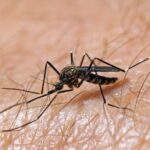

Mosquitoes and ticks can quickly turn a relaxing Rhode Island backyard into a place where everyone is constantly swatting, scratching, or checking for bites. Beyond the frustration, certain mosquitoes and ticks can transmit diseases, making prevention an important part of maintaining your outdoor space.
The best approach to mosquito and tick control in Rhode Island combines regular yard maintenance, reducing mosquito breeding areas, limiting tick habitat, and professional treatments when needed. These steps can help reduce pest activity and make your yard more comfortable for your family, guests, and pets.
At Pro Mosquito Solutions, we help homeowners throughout Rhode Island and Bristol County, Massachusetts enjoy their properties with customized mosquito and tick treatments. Our local, family-owned company offers traditional barrier sprays, plant-based treatment options, and additional mosquito management solutions.
Already dealing with mosquitoes or ticks? Explore our professional mosquito and tick barrier treatments, or call or text (401) 216-8081 to discuss your property.
Why Mosquito and Tick Control Matters in Rhode Island
Rhode Island’s wooded neighborhoods, landscaped yards, humid summers, and outdoor recreation areas create favorable conditions for mosquitoes and ticks. These pests behave differently, but both can affect how comfortably you use your property.
Mosquitoes often develop in standing water and rest in shaded vegetation. Ticks typically wait in grassy, brushy, or wooded environments where they can attach to passing people or animals.
Because their habitats differ, an effective yard protection plan should address both pests rather than assuming one prevention method will control everything.
When Are Mosquitoes and Ticks Most Active?
Mosquito activity generally increases during warmer months, particularly when rainfall and standing water create breeding opportunities. Some mosquitoes are especially active around dawn and dusk, although biting times vary by species.
Ticks can become active whenever environmental conditions are suitable, including portions of spring, fall, and milder winter periods. Different tick species and life stages have different seasonal activity patterns.
That is why Rhode Island homeowners should think about tick prevention beyond the hottest summer months and begin mosquito prevention before populations become difficult to manage.
Tick Control in Rhode Island: How to Reduce Ticks in Your Yard
Ticks are frequently associated with wooded edges, leaf litter, brush, tall vegetation, and places where wildlife travels. Although no yard treatment can guarantee that every tick is eliminated, several practical steps can help reduce exposure.
1. Keep Grass Maintained and Remove Excess Vegetation
Mow your lawn regularly during the growing season and trim overgrown vegetation along fences, pathways, and property edges.
Remove unnecessary brush piles and excessive leaf litter, especially near frequently used outdoor areas. These changes can make portions of your yard less favorable for ticks.
Remember that mowing alone will not eliminate ticks. They can remain in shaded vegetation, wooded borders, and other protected locations.
2. Create Separation Between Lawns and Wooded Areas
Consider a maintained strip of gravel or wood chips between recreational lawn areas and adjacent woods or dense vegetation.
These landscaping boundaries can help organize outdoor spaces and reduce direct contact with some tick habitats. They are not guaranteed barriers that prevent ticks from crossing.
Place frequently used play equipment and seating areas away from heavily wooded edges when practical.
3. Reduce Wildlife Attractants
Wildlife can transport ticks into residential landscapes. While homeowners cannot eliminate wildlife movement, they can reduce unnecessary attractants by securing garbage, managing outdoor food sources, and maintaining vegetation.
Check pets for ticks after outdoor activity, particularly after time in wooded or brushy areas. Ask your veterinarian about appropriate tick-prevention products for your pets.
4. Consider Professional Tick Treatments
Professional tick control can complement routine landscaping and personal prevention measures. Treatment plans may focus on vegetation, lawn edges, shrubs, and other areas where ticks are likely to be encountered, according to product labels and property conditions.
Pro Mosquito Solutions provides recurring mosquito and tick barrier spray services designed around your property’s layout and pest activity.
For more tick-specific guidance, read our article about residential tick control in Rhode Island.
Mosquito Control in Rhode Island: How to Reduce Backyard Mosquitoes
Mosquitoes can breed in surprisingly small amounts of standing water. Adult mosquitoes also seek sheltered, shaded places to rest during portions of the day.
Effective mosquito prevention should address breeding sites and adult mosquito activity rather than relying on a single product or backyard gadget.
1. Remove Standing Water Around Your Property
Inspect your yard at least weekly during mosquito season, particularly after rainfall.
- Empty water from buckets, toys, and unused containers.
- Drain water collecting in flowerpot saucers and outdoor equipment.
- Clean clogged gutters and downspouts.
- Replace birdbath water regularly and scrub the container.
- Keep swimming pools properly maintained.
- Store wheelbarrows and unused containers so they do not collect rainwater.
- Check tarps, outdoor furniture covers, and other surfaces where water can accumulate.
Removing breeding sites is one of the most valuable steps homeowners can take because it targets mosquitoes before they become biting adults.
2. Manage Water That Cannot Be Removed
Some properties contain drainage features, ornamental water areas, or other locations where standing water cannot be easily eliminated.
When appropriate, mosquito larval control products may be used according to their labels to manage developing mosquitoes in suitable water sources.
Pro Mosquito Solutions offers mosquito water treatment services as part of its available mosquito management options.
3. Consider In2Care Mosquito Stations
In2Care mosquito stations are designed to attract certain container-breeding mosquitoes and use targeted active ingredients to affect mosquito development and reproduction.
These stations can be a useful addition to a broader mosquito management program, particularly where suitable breeding habitats and target mosquito species are present.
In2Care is not a chemical-free solution, and stations do not replace every other mosquito prevention method. Placement, maintenance, and effectiveness depend on site conditions and product instructions.
Learn how our In2Care mosquito station service can complement a backyard treatment plan.
4. Schedule Professional Mosquito Barrier Sprays
Professional barrier sprays target vegetation and other appropriate areas where adult mosquitoes commonly rest. Depending on the product, weather, and environmental conditions, treatments can provide residual mosquito control between scheduled visits.
Pro Mosquito Solutions offers recurring mosquito and tick barrier treatments, generally scheduled approximately every three weeks after the initial treatment interval. Treatment results vary, and continued prevention helps support the program.
Our team develops a treatment approach based on your property, including relevant lawn areas, shrubs, vegetation, and other appropriate locations. All pesticide applications must follow product labels and applicable requirements.
Read more about our mosquito barrier spray treatments in Rhode Island.
What Diseases Can Mosquitoes and Ticks Carry in Rhode Island?
Not every mosquito or tick carries a disease. However, Rhode Island residents should understand the potential health risks associated with bites and use appropriate personal protection.
Lyme Disease and Other Tick-Borne Illnesses
Lyme disease is transmitted through the bite of infected blacklegged ticks. Possible symptoms include fever, fatigue, headache, and an expanding skin rash, although symptoms vary.
Blacklegged ticks can also transmit other pathogens associated with illnesses such as anaplasmosis and babesiosis.
Prompt tick removal and attention to symptoms are important. If you develop concerning symptoms after a tick bite, contact a healthcare professional.
West Nile Virus
West Nile virus is transmitted primarily through bites from infected mosquitoes. Many infected people experience no symptoms, while others develop fever or other illness. A small proportion develop severe neurological disease.
Reducing mosquito breeding habitats and preventing bites are important protective measures.
Eastern Equine Encephalitis (EEE)
Eastern equine encephalitis is a rare but potentially severe mosquito-borne disease. Although human cases are uncommon, the illness can cause serious neurological complications.
Rhode Island residents should follow current mosquito-borne disease advisories issued by public health agencies, particularly when local surveillance indicates increased risk.
Does Yard Treatment Prevent Mosquito- or Tick-Borne Disease?
Yard treatments can help reduce mosquito or tick activity, but they cannot guarantee prevention of Lyme disease, West Nile virus, EEE, or any other infection.
Use professional pest management alongside personal protective measures such as EPA-registered insect repellents, appropriate clothing, routine tick checks, and removal of standing water.
How to Protect Children and Pets from Mosquitoes and Ticks
Families with children and pets often have additional questions about pest prevention and professional treatments.
Useful precautions include:
- Checking children and pets for ticks after outdoor activities.
- Using insect repellents appropriate for the person’s age and following label directions.
- Using veterinarian-recommended tick prevention for dogs and other pets.
- Keeping play areas maintained and away from dense brush when practical.
- Removing standing water near patios and play equipment.
- Following all reentry instructions after professional pesticide applications.
Pro Mosquito Solutions provides clear preparation and reentry instructions for scheduled treatments. For applicable barrier treatments, people and pets should remain out of treated areas until the application has dried and any additional label requirements have been met.
Products should never be described as completely harmless or risk-free. Proper application, label compliance, and following technician instructions are essential.
Traditional Versus Natural Mosquito and Tick Treatments
Homeowners have different priorities when choosing pest control. Some want recurring traditional barrier treatments, while others prefer plant-based products.
Traditional Mosquito and Tick Barrier Treatments
Traditional barrier treatments use registered products selected to target mosquitoes and ticks. Residual performance depends on the product, application, weather, and environmental conditions.
These treatments are commonly used as part of a recurring seasonal program.
Plant-Based Mosquito and Tick Treatments
Plant-based treatments offer another option for homeowners who prefer this approach. However, natural ingredients are still active substances and should not automatically be considered harmless to people, pets, or the environment.
Performance and treatment intervals can differ from conventional products.
Explore our natural mosquito and tick treatment options to learn which approach may suit your property.
Why Professional Mosquito and Tick Control Is Worth Considering
Routine yard maintenance can make a meaningful difference, but homeowners may continue experiencing pest activity when nearby vegetation, wooded boundaries, standing water, or other conditions support mosquito and tick populations.
Professional treatment provides an additional layer of pest management tailored to the property.
A More Complete Property Assessment
Different yards have different challenges. A property bordered by woods may require a different approach from a small suburban yard with dense landscaping and several mosquito breeding sites.
Pro Mosquito Solutions considers property conditions and the pests being targeted when recommending treatment options.
Recurring Seasonal Management
Because mosquitoes and ticks can remain active throughout much of the warmer season, recurring treatment may be appropriate for homeowners who want ongoing pest management.
Our mosquito and tick barrier service typically begins with two treatments approximately two weeks apart, followed by visits about every three weeks during the service season.
Regular service works alongside homeowner prevention practices rather than replacing them.
Local Service and Personalized Communication
Pro Mosquito Solutions is a local, family-owned pest control company serving Rhode Island and Bristol County, Massachusetts.
We focus on dependable communication, customized treatments, and helping customers understand the services being performed at their properties.
Want fewer mosquitoes and ticks around your yard? Call or text (401) 216-8081 or contact Pro Mosquito Solutions online to discuss treatment options.
When Should Rhode Island Homeowners Start Mosquito and Tick Prevention?
Preparation should begin before outdoor pest activity reaches its seasonal peak.
Early Spring
Remove winter debris, inspect drainage areas, clear standing water, and check wooded property edges. Tick exposure may already be possible when conditions are favorable.
Late Spring and Summer
Continue weekly standing-water inspections, mow regularly, check for ticks after outdoor activities, and maintain any scheduled mosquito and tick treatments.
Fall
Keep removing leaf litter and maintaining areas near wooded edges. Tick activity can continue into fall, even as mosquito activity begins to decline with colder weather.
For a broader look at how these services benefit homeowners, read how mosquito and tick control helps protect Rhode Island homes.
Mosquito and Tick Control Across Rhode Island and Bristol County, Massachusetts
Pro Mosquito Solutions serves homeowners in communities throughout Rhode Island, including Providence, Cranston, Warwick, Pawtucket, Cumberland, Johnston, and Coventry, as well as communities in Bristol County, Massachusetts.
Yard conditions vary between densely landscaped neighborhoods, suburban properties, and homes near wooded areas. That is why treatment recommendations should reflect the individual property rather than relying on a one-size-fits-all approach.
For more localized information, explore our Cranston pest control service area or Warwick pest control service area. You can also visit our complete service area page.
Frequently Asked Questions About Mosquito and Tick Control
What is the best way to control mosquitoes and ticks in a Rhode Island yard?
The best approach combines removing standing water, maintaining grass and vegetation, reducing tick habitat, using personal bite prevention, and considering professional treatments when needed. Mosquitoes and ticks have different habitats, so a combined prevention plan is more useful than relying on one method.
How often should mosquito and tick treatments be applied?
Treatment frequency depends on the product, pest activity, weather, and service plan. Pro Mosquito Solutions typically schedules its first two barrier treatments approximately two weeks apart, followed by treatments about every three weeks during the season.
Do mosquito barrier sprays also help control ticks?
Yes. Appropriately selected and labeled barrier treatment products can target both mosquitoes and ticks. Application areas and treatment methods depend on the pests, property conditions, and product directions.
Can mosquitoes breed in small amounts of water?
Yes. Some mosquitoes can develop in relatively small collections of standing water, including flowerpot saucers, buckets, clogged gutters, and discarded containers. Checking and emptying these areas weekly can help reduce breeding opportunities.
Does cutting the grass get rid of ticks?
Regular mowing can make lawns less favorable for some ticks, but it will not eliminate them. Ticks may remain in wooded edges, leaf litter, brush, and other protected areas. Yard maintenance works best alongside other prevention measures.
Are mosquito and tick treatments safe for children and pets?
Professional treatments can be performed with precautions for households with children and pets. Everyone should remain out of treated areas until the application has dried and all product-label reentry requirements are satisfied. Always follow the technician’s instructions.
Do natural mosquito and tick treatments work?
Plant-based treatments may help reduce certain pests when used appropriately, but effectiveness and duration vary. Natural products are not automatically risk-free. Pro Mosquito Solutions offers plant-based treatment options and can discuss their suitability for your property.
What are In2Care mosquito stations?
In2Care mosquito stations are targeted mosquito management devices designed to attract certain container-breeding mosquitoes. They use active ingredients that affect mosquito development and reproduction. They can complement standing-water reduction and other mosquito control methods.
Can professional mosquito and tick control prevent Lyme disease or West Nile virus?
No pest control treatment can guarantee disease prevention. Reducing mosquito and tick activity may help lower opportunities for bites, but personal protection, tick checks, appropriate repellents, and public health guidance remain important.
When should I start mosquito and tick control in Rhode Island?
Early spring is a good time to begin yard preparation, remove standing water, and inspect tick-prone areas. Professional treatment timing depends on seasonal pest activity and local conditions. Tick prevention should continue whenever ticks may be active.
Does Pro Mosquito Solutions treat the entire yard?
Pro Mosquito Solutions develops treatments around the property, including appropriate lawn areas, vegetation, shrubs, and other locations relevant to mosquito and tick activity. The exact application areas depend on property conditions and product-label directions.
Where does Pro Mosquito Solutions offer mosquito and tick control?
Pro Mosquito Solutions serves Rhode Island and Bristol County, Massachusetts, including Providence, Cranston, Warwick, Pawtucket, Attleboro, Seekonk, Rehoboth, and surrounding communities. Call or text (401) 216-8081 to confirm service availability for your property.
Enjoy Your Rhode Island Yard with Fewer Mosquitoes and Ticks
Your backyard should be a place to relax, entertain, and spend time with family, not somewhere you constantly worry about mosquitoes and ticks.
Simple prevention steps such as removing standing water, maintaining vegetation, checking for ticks, and managing potential breeding areas can make a difference. When you need additional help, professional mosquito and tick treatments can provide a more comprehensive approach.
Pro Mosquito Solutions is proud to help homeowners throughout Rhode Island and Bristol County, Massachusetts manage outdoor pests with professional service and customized treatment options.
Ready to reclaim your outdoor space? Call or text (401) 216-8081 or contact Pro Mosquito Solutions today to discuss mosquito and tick control for your property.

Ryan Lambert is the owner of Pro Mosquito Solutions, a trusted pest control company serving Rhode Island and Bristol County, Massachusetts. Known for their eco-friendly, effective pest solutions, Ryan and his team handle mosquitoes, ticks, ants, rodents, and more with customized services that keep properties pest-free. Pro Mosquito Solutions is dedicated to customer satisfaction, using top-quality products and innovative techniques to ensure safe, long-lasting results. Ryan also writes informative blogs, empowering customers with knowledge about pest control and prevention.