Mosquitoes and Tick Cause More Deaths Introduction Mosquitoes are far more dangerous than most other creatures due to their ability to transmit deadly diseases. These
Effective Cranston, Rhode Island, Pest Control Solutions for Your Home In Cranston, maintaining a pest-free home is crucial for both health and property preservation. Homeowners
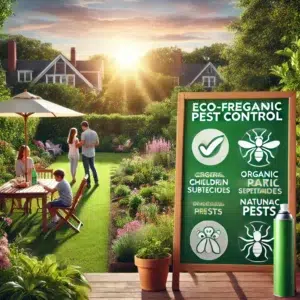
As awareness of environmental preservation grows, so does the demand for eco-friendly solutions in various aspects of life—including pest control. Organic pest control Rhode Island
Understanding West Nile Virus Rhode Island West Nile Virus (WNV) is a potentially serious illness transmitted to humans, birds, animals, and mosquitoes. Symptoms can range from mild to severe, including
Introduction to Dragonflies: Nature’s Mosquito Control in Rhode Island When it comes to natural pest control, few creatures are as effective or captivating as dragonflies
infestation, pest, termite, pest control, eco friendly pest control, insect, ant, rodent, spider, crawl space, rat, environmentally friendly, customer, mosquito, weed control, customer service, tick, inspection, pest problems, commercial pest control, pest control treatments, pest services, pest control service, pest control company, pest management, pest control solutions, pest solutions, pests, free estimates, friendly pest control, professional pest control, local pest control, pest control services, pest control pest, natural, rodent control, residential pest control, pest control companies, pest control treatment, customer satisfaction, vole, bed, earwig, mosquito control, pet, nest, silverfish, email address, attention, acceptable use policy, message, oil, garden, animal, leaf, plant, water, fungus, predation, neem oil, soil, aphid, insect repellent, diatomaceous earth, crop, internet, beetle, azadirachta indica, agriculture, insecticide, bird, toxicity, organic farming, mite, species, landscape, dust, fly, pesticide, lawn, garlic, earth, nature, ecosystem, vegetable, clay, soap, bacillus thuringiensis, seed, essential oil, slug, mildew, whitefly, fruit, caterpillar, snail, tree, biodiversity, thrips, farm, spider mite, ingredient, pollinator, tomato, health, bacteria, fertilizer, powder, wildlife, companion planting, plant disease, habitat, egg, data, crop rotation, compost, pathogen, integrated pest management, vegetable oil, biological pest control, research, fungicide, sulfur, insecticidal soap, larva, vinegar, control pests, lawn care, controlling pests, disease, climate, clove, nutrient, kitchen, mealybug, miami, cost, bacillus, spray bottle, teaspoon, abundance, basil, paper, cayenne pepper, powdery mildew, onion, moth, spray, ecology, beer, bottle, sodium bicarbonate, management, horticultural oil, tagetes, clothing, skin, odor, trap crop, exoskeleton, biopesticide, livestock, tea, information, invertebrate, mixture, algae, fish, mulch, soil fertility, poison, rosemary, tablespoon, potato, peppermint, internet explorer, mineral, virus, spinosad, liquid, biology, pyrethrin, pdf, citrus, shampoo, pesticide application, eucalyptus, bird feeder, cymbopogon, heat, university of california, microbiome, bait, rain, azadirachtin, cattle, plant breeding, hardiness zone, fahrenheit, tool, bathroom, mask, south florida, soybean, cucurbita, bat, fire ant, spore, cinnamon, rhode island, massachusetts, natural environment, carpenter ant, west nile virus, safe pest control, tick control, eliminate, free estimate, free quote, estimate, mosquito control services, pest control experts, connecticut, malaria, southeastern massachusetts, policy, risk, technology, zip code, budget, pride, eco-friendly pest control, natural pest control Rhode Island, green pest solutions, organic pest control RI, non-toxic pest control, safe pest treatments, sustainable pest management, eco-conscious extermination, Rhode Island organic pest control, chemical-free pest control, eco-friendly mosquito control, natural tick prevention RI, plant-based pest repellents, humane rodent control, environmentally safe pest solutions, Rhode Island eco-friendly pest services, DIY natural pest repellents, non-toxic insect control, biodegradable pest treatments, pet-safe pest control Rhode Island, child-safe pest solutions, holistic pest management, essential oil pest repellents, botanical insect control, eco-friendly ant control RI, green rodent prevention, Rhode Island sustainable pest solutions, local organic pest control, low-impact pest extermination, natural home pest defense
Frequently Asked Questions
How does eco-friendly pest control impact the environment?
The impact of eco-friendly pest control on the environment is significant. It minimizes chemical use, protecting beneficial insects and ecosystems, while reducing pollution and promoting biodiversity, leading to healthier, sustainable surroundings for both wildlife and humans.
What are some natural alternatives to chemical pesticides?
Natural alternatives to chemical pesticides include diatomaceous earth, neem oil, insecticidal soaps, essential oils, and companion planting. These options effectively deter pests while minimizing harm to the environment and beneficial insects.
What are the benefits of using eco-friendly pest control methods?
The benefits of using eco-friendly pest control methods include enhanced safety for your family and pets, reduced environmental impact, and sustainable solutions that lower the risk of pests developing resistance to treatments.
Are eco-friendly pest control methods effective against rodents?
Eco-friendly pest control methods can be effective against rodents. These approaches often utilize natural deterrents and traps, which minimize harm to the environment while also effectively managing rodent populations when applied consistently.
What eco friendly pest control products are available in Rhode Island?
Eco-friendly pest control products available in Rhode Island include natural insect repellents, essential oils, diatomaceous earth, and plant-based pesticides. These products effectively manage pests while minimizing harm to the environment and ensuring safety for families and pets.
Who offers eco friendly pest control services in Rhode Island?
Eco-friendly pest control services in Rhode Island are offered by various specialized companies dedicated to sustainable solutions, including local pest management providers who prioritize organic materials and environmentally safe methods to effectively eliminate pests.
How do I know if a pest control service is eco friendly in Rhode Island?
To determine if a pest control service is eco-friendly in Rhode Island, check for certification in organic methods, inquire about the products they use, and confirm their adherence to environmentally safe practices that minimize harm to beneficial insects and the ecosystem.
What makes a pest control service eco friendly in Rhode Island?
Eco-friendly pest control services in Rhode Island prioritize natural and organic methods, minimizing chemical usage while effectively managing pests. They focus on sustainable practices that protect the environment, human health, and local ecosystems.
What are the benefits of eco friendly pest control in Rhode Island?
The benefits of eco-friendly pest control in Rhode Island include a safer environment for families and pets, reduced chemical exposure, and a sustainable approach that protects local ecosystems while effectively managing pest issues.
Can I do eco friendly pest control myself in Rhode Island?
Eco-friendly pest control can be effectively done by yourself in Rhode Island. Utilizing natural remedies and properly researching techniques suitable for local pests can help maintain a safe environment while managing infestations.
What pests are targeted by eco-friendly methods?
Eco-friendly methods target a variety of pests including mosquitoes, ants, ticks, mice, and rats. These natural approaches effectively reduce pest populations while minimizing harm to the environment and non-target species.
How can I identify eco-friendly pest solutions?
Identifying eco-friendly pest solutions involves looking for natural ingredients, such as essential oils or plant-based materials, avoiding harmful chemicals, and selecting products that are certified organic or environmentally safe. Always check for labels that indicate safety for pets and children.
What is the safest natural pest deterrent?
The safest natural pest deterrent is usually a combination of essential oils, such as peppermint or eucalyptus, which effectively repel pests without harming humans, pets, or the environment.
How does climate affect eco-friendly pest control?
Climate significantly affects eco-friendly pest control by influencing pest populations and their life cycles. Warmer temperatures can lead to increased pest activity, making it essential to adapt organic methods and timing for effective pest management.
What role do pets play in pest control?
The role pets play in pest control is significant, as they can deter pests naturally. For example, cats and dogs may hunt small rodents, while some animals, like birds, consume insects, helping reduce pest populations around your home.
Are there any studies on eco-friendly pest effectiveness?
Studies on eco-friendly pest effectiveness indicate that natural pest control methods can be effective alternatives to conventional pesticides, providing successful results while minimizing environmental impact and enhancing biodiversity.
How often should I apply eco-friendly treatments?
The frequency of applying eco-friendly treatments depends on the specific pest issue and the products used. Generally, it's recommended to reapply every 4-6 weeks for ongoing protection and effectiveness against pests.
What are the risks of chemical pest control?
The risks of chemical pest control include potential health hazards to humans and pets, environmental contamination, and the development of pesticide-resistant pests. These risks highlight the importance of considering safer, eco-friendly alternatives for pest management.
How does integrated pest management work?
Integrated pest management (IPM) works by combining multiple strategies to manage pests effectively and sustainably. This includes monitoring pest populations, using biological control methods, and applying chemical treatments only when necessary, minimizing environmental impact while enhancing pest control.
Can eco-friendly methods control infestations effectively?
Eco-friendly methods can effectively control infestations. These natural solutions not only target pests efficiently but also reduce harm to the environment and non-target species, making them a viable option for sustainable pest management.
Are there seasonal considerations for pest control?
Seasonal considerations for pest control are important. Different pests emerge during specific seasons, making targeted treatments more effective. For instance, ants and termites are more active in spring, while mosquitoes peak in summer, highlighting the need for seasonal strategy adjustments.
What is the cost comparison for eco-friendly services?
The cost comparison for eco-friendly services indicates that while initial expenses may be higher due to premium organic materials, long-term savings can be realized through their effectiveness and reduced health risks, making them a worthwhile investment for sustainability-conscious consumers.
How can I encourage beneficial insects in my garden?
Encouraging beneficial insects in your garden involves creating a welcoming habitat. Plant a diverse range of native flowers, avoid pesticides, provide water sources, and incorporate nesting sites like brush piles or undisturbed soil to attract them naturally.
What plants naturally deter common pests?
Plants that naturally deter common pests include lavender, rosemary, basil, and marigolds. These plants emit scents that repel insects, making them excellent choices for gardens and around homes to reduce pest problems.
Are there eco-friendly traps available for home use?
Eco-friendly traps are indeed available for home use. These traps utilize natural ingredients and non-toxic materials to effectively capture pests without harming the environment or your family.
How do local regulations affect pest control options?
Local regulations significantly influence pest control options by dictating which methods and products can be used. Compliance with these regulations is crucial to ensure safety, effectiveness, and environmental protection in pest management practices.
What certifications should eco-friendly products have?
Eco-friendly products should have certifications like USDA Organic, Green Seal, and EcoLogo, which ensure that they meet stringent environmental standards and are safe for both consumers and the planet.
Can I combine different natural control methods?
Combining different natural control methods is not only possible but often beneficial. By integrating various techniques, you can enhance their effectiveness and achieve better pest management results.
What are the best practices for pest prevention?
The best practices for pest prevention include maintaining cleanliness, sealing entry points, properly storing food, reducing standing water, and regularly inspecting your property. These proactive measures help minimize pest attractions and breeding sites.
When should I call a pest control expert?
Knowing when to call a pest control expert is crucial for effective pest management. You should reach out as soon as you notice signs of an infestation, experience frequent pest sightings, or find pests that pose health risks to your family or pets.